Gearing up for the Holidays

It is preoccupation with possessions, more than anything else, that prevents us from living freely and nobly—Thoreau

Thanksgiving is a great way to open the holiday season.  We spend time traveling to be close to our friends and family, we cook and eat and laugh and shop and plan for Christmas.  And most significantly we remember how important it is to be a cog in the wheel of our family’s lives.

Gearing Up for the Holidays (Quantum)

This year we are really making an effort to remove the materialism from the holiday season.  We are concentrating on the parts of the holiday season that are most important to all of us:  family and friends.

And no, it isn’t easy.  For children, Christmas seems to be inextricably tied to gifts.  But in addition to gifts there are so many tiny traditions and each of these small jewels creates the magic of what we think of when we think of “Christmas!”

We are singing Christmas carols, practicing our roles for the traditional church Christmas pageant, planning all our favorite foods and inviting guests from far and near to come celebrate on Christmas Eve.  Children are trying to earn last minute pennies and we are all busy trying to create “priceless” surprises for one another.

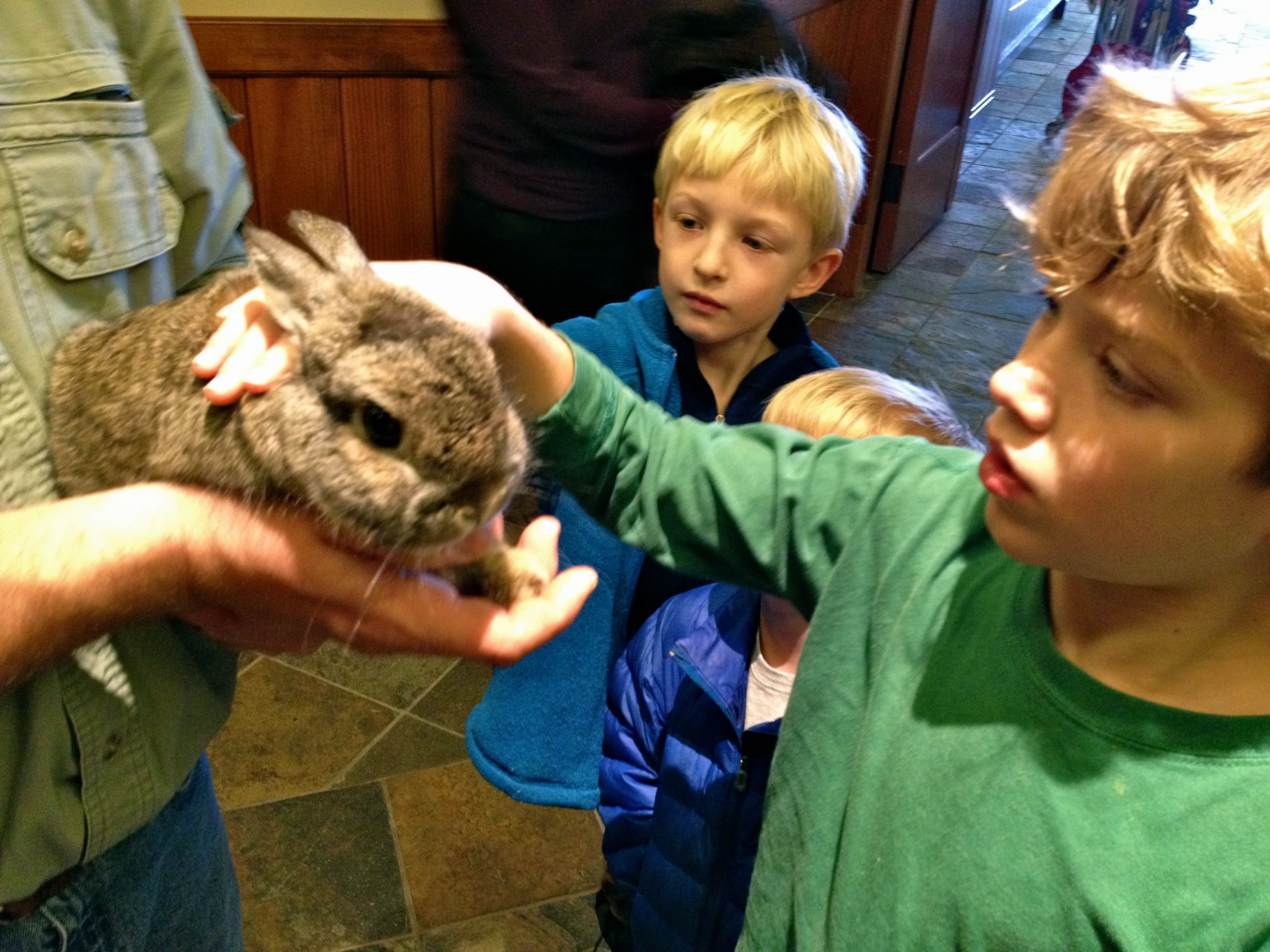
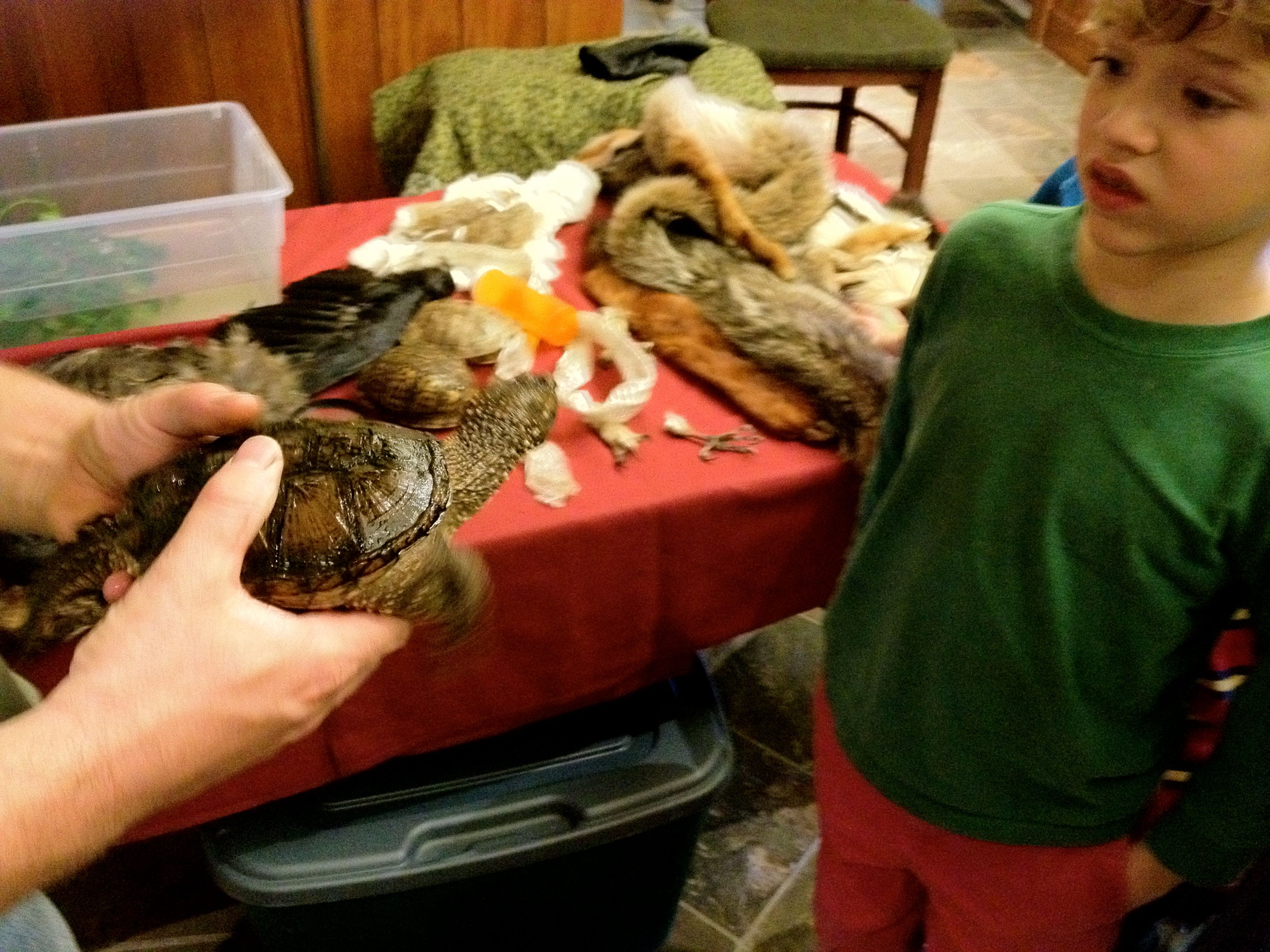
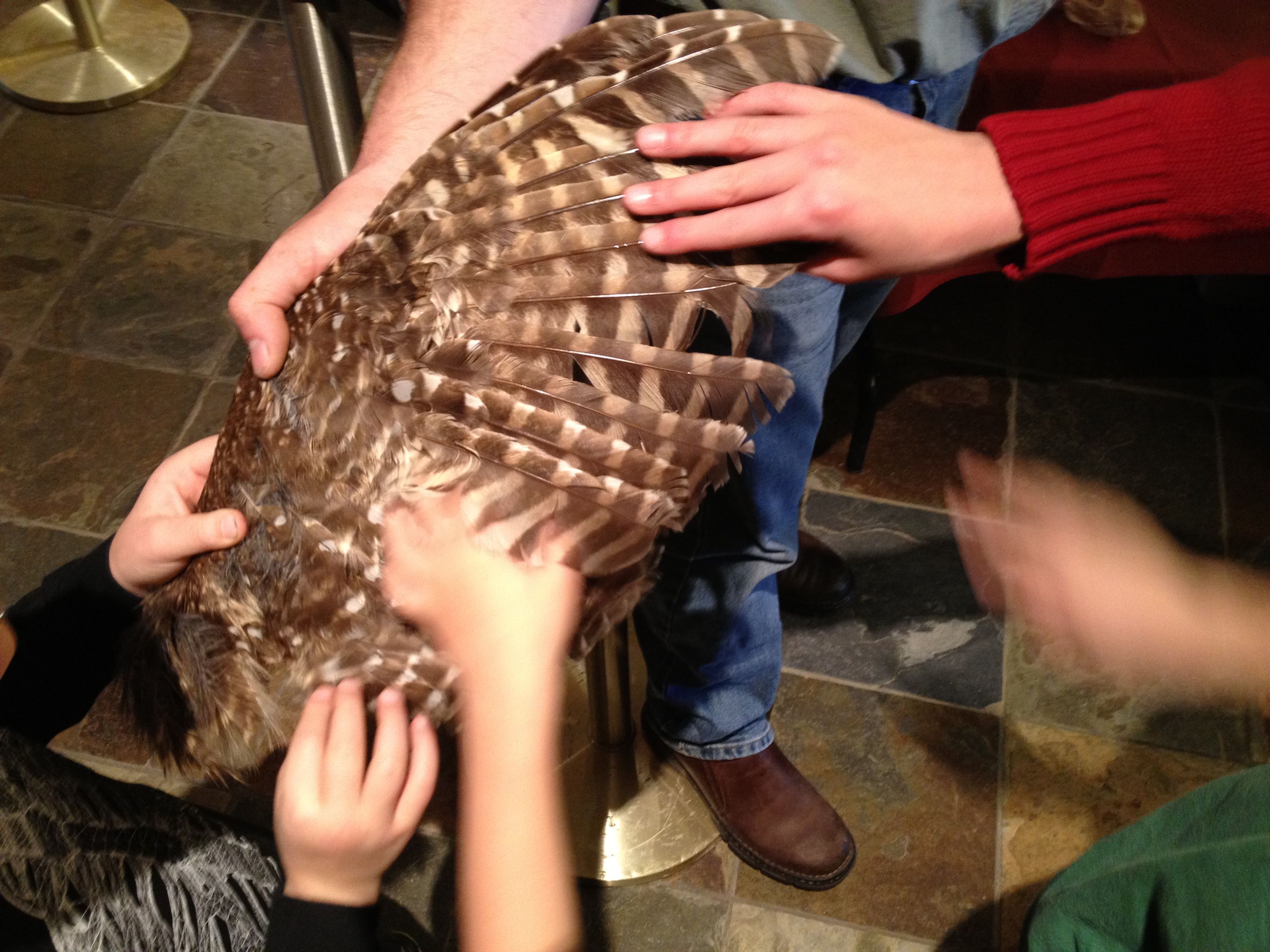
We have temporarily relocated to Vermont and are spending time enjoying one another and enjoying the unexpected.  Here we are able to touch and learn about local wild animals.

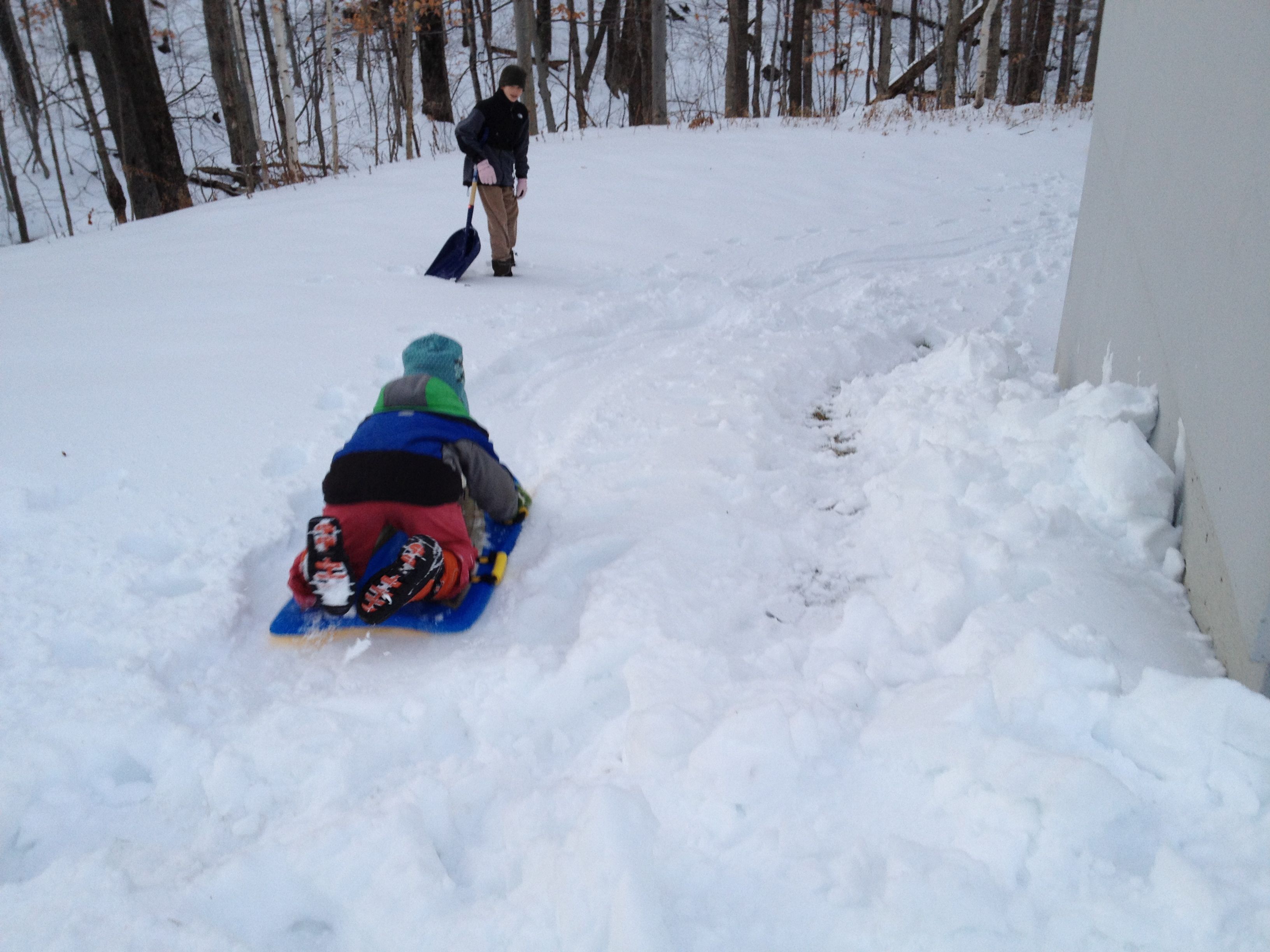
Christmas is a winter holiday and Happymess kids are building snow forts, sledding downhill and creating snow jumps so brothers, little and big, can take flying leaps into soft snow piles.

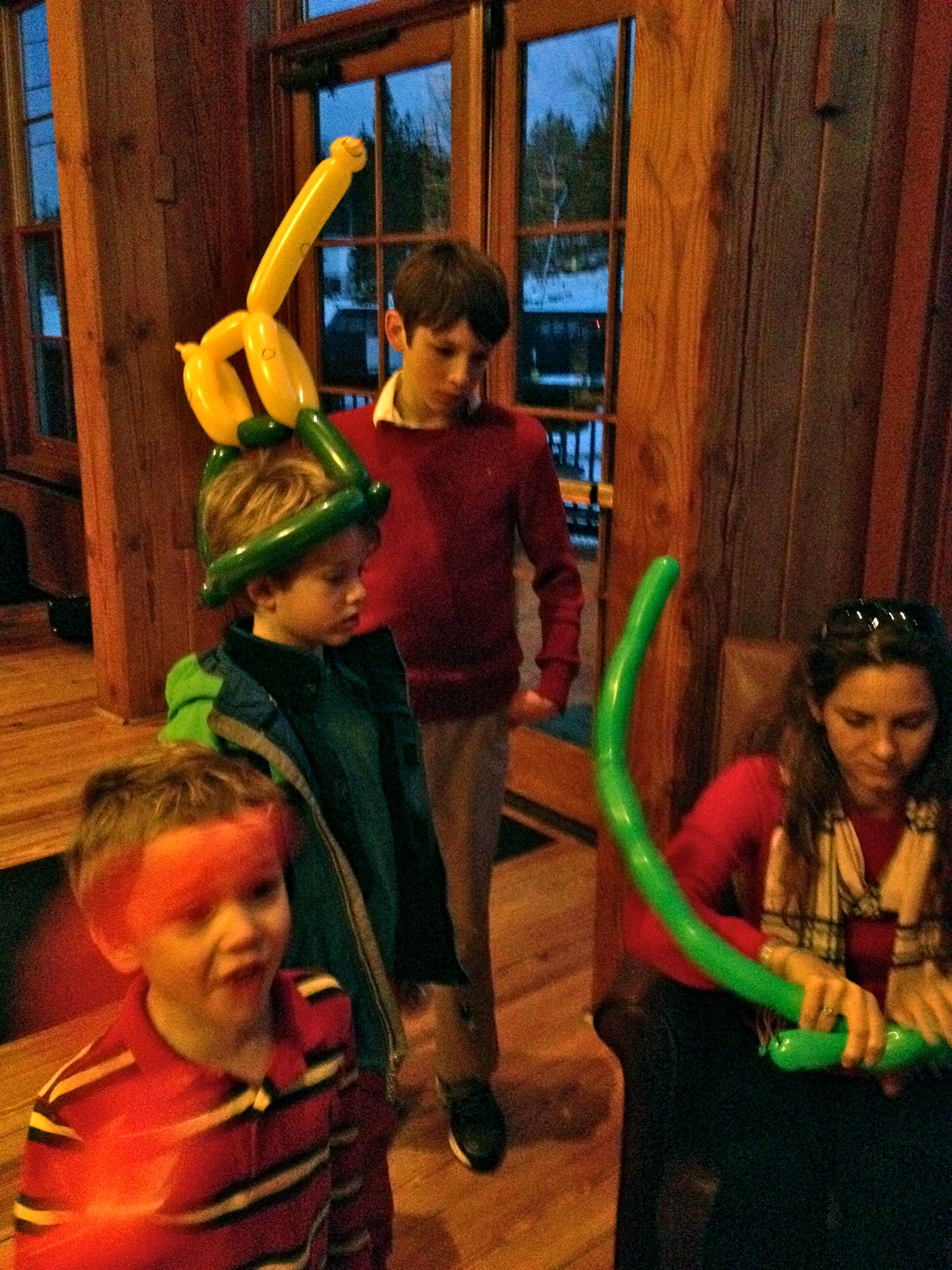
Big sister, Zuzu, from far away has come home and is busy creating balloon concoctions for smaller brothers.

After a very adult dinner we are able to step out side and watch the reflection of fireworks as they explode in the sky and are reflected in the snow.

Let Me Count the Days:  Homeschooling is being Thankful for moments of family unity.

Almost Wordless Wednesday: Thankful for Nursery School

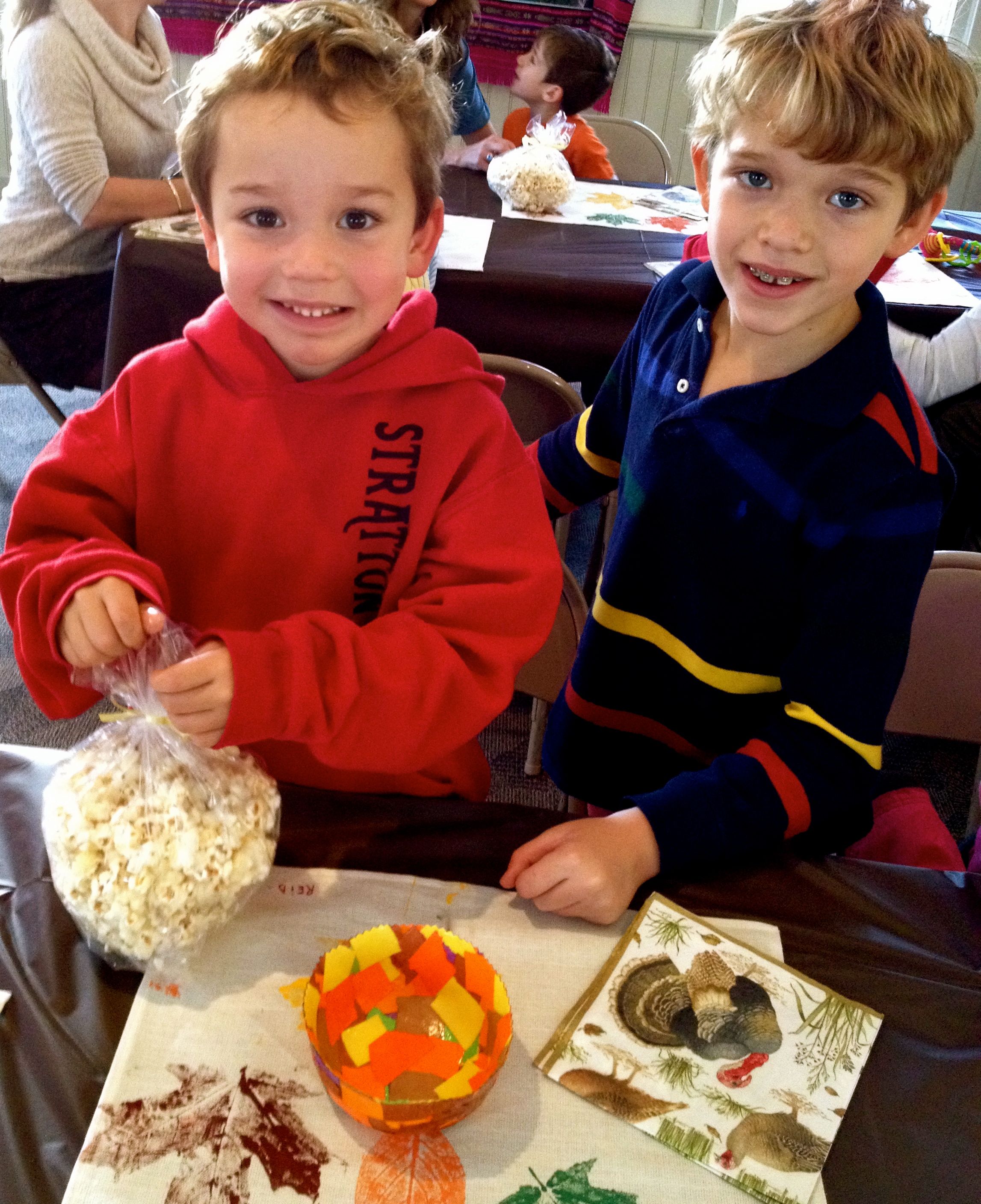
Today our nursery school hosted a Thanksgiving feast and every child was thankful for their friends and families, except for Scooter who proudly stated he was thankful for “rocket ships!”

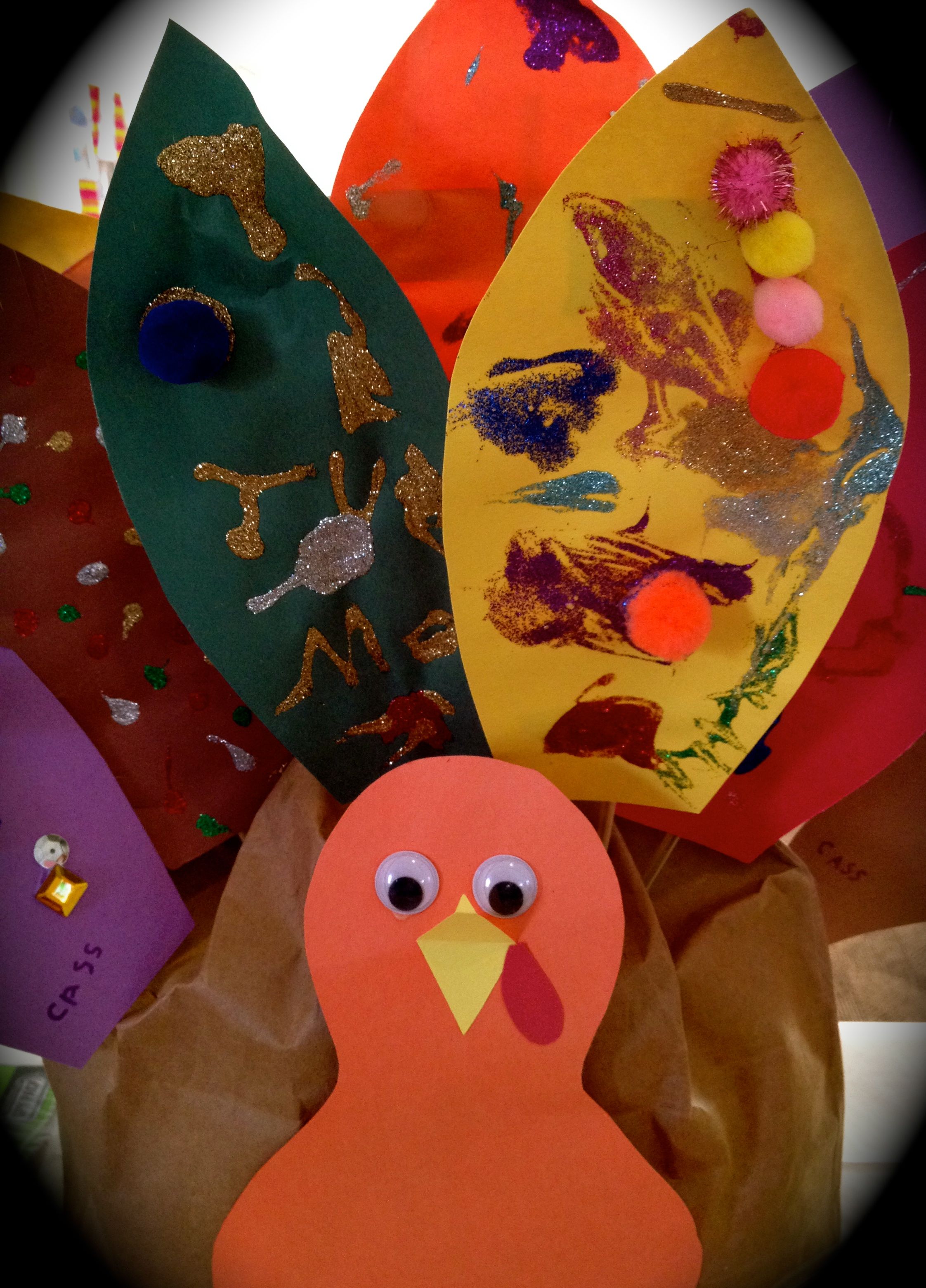
We loved this easy class turkey made from a paper bag stuffed with leaves.  Every child contributed a “feather” attached to a small dowel.

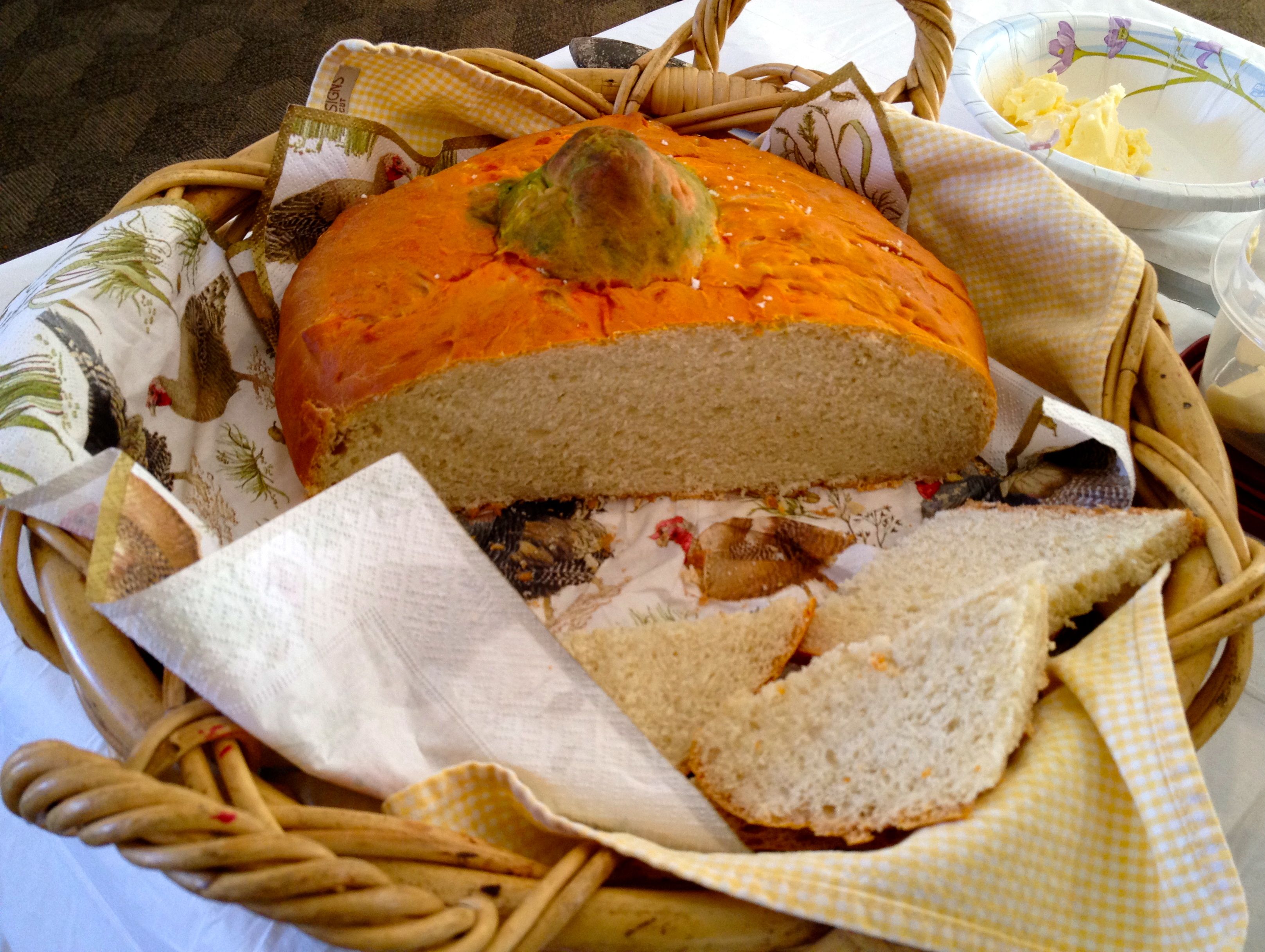
The class also made this beautiful pumpkin bread, and they made the butter too!

Not withstanding his infatuation with rocket ships, Scooter was very happy to have Bounce join him for his feast.

My favorite fantasy moment was watching the children interacting with a painted background.  They happily ran to visit with butterflies, smell the flowers and attempt to draw water from the painted well.

Happy Thanksgiving to All!

Let Me Count the Days:  Homeschooling is enjoying the scent of painted flowers and the flutter of tempera butterflies.

Finding Creative Inspiration

Creative inspiration is a necessary ingredient for every part of life, but certainly needed when educating and inspiring children. We need to be creative in our approach so our students are engaged and we need to continually reinvent the lesson to maintain both their level of interest and our own.

thinker

So where do we find our creative inspiration? Our Happymess approach is usually to look at each lesson as part of an inter-disciplinary component.

We ask ourselves, "How does this one piece of learning fit into the giant puzzle of knowledge?" I typically try to find at least 3 different disciplines related to each individual subject. I try to surround our nugget of factual study with small pieces of art, history or literature that will make the "fact" seem more "real" to our aspiring student.

For example, when studying math we ask ourselves, "Why is this really necessary? Who has used this knowledge in the past?" "Why might we be interested in knowing this in the future?"

These type of questions quickly lead us to a study of history, both ancient and modern. We can look at the ancient Greek philosophers and mathematicians and learn how they studied the general principles of the world. We can study the lives of Euclid and Pythagoras and learn about the Euclidean algorithm for determining the greatest common divisor, or in Saxon Math terms, the greatest common factor (GCF). We study Pythagoras' theorem for determining the hypotenuse of a right triangle: a squared + b squared = c squared.

We see immediately that these are not merely formulas to be memorized. These are scientific principles that govern our natural world. These principles were observed by great minds of the past and were simplified into tangible equations.

So now as we commence our exercises we see that these Saxon math questions are part of an ancient dialogue. These questions have been asked, studied and answered for thousands of years. So "Why," our student wonders, "do we need to keep studying them?"

This is an excellent time to look at some current scientific uses for which these theorems can be helpful. They include use of GPS, navigating in outer space and measuring areas of a building or bridge for the purpose of construction.

Athena and I were recently purchasing tile for our kitchen. We went to several tile stores and were unable to determine the exact cost of the tile due to the lack of unit pricing. The salesperson was unable to provide us with a unit cost per square foot so that we could compare various prices of tile. After tap-tap-tapping repeatedly on her calculator she finally looked up sheepishly and said, "They just don't give us an app for that so I can't answer the question." Then she turned to Athena and said with a smile, "You see, that's why you have to study math in school." Athena just smiled back because she had already calculated the various sums in her head while pretending to study the ceiling.

We left the store thanking Pythagoras and his ancient friends for enabling us to get an honest price quote. Expanding the relevance of an otherwise "dry"

subject takes a creative approach but makes it much more fun to teach and much more entertaining to learn.

Where do we find our creative inspiration? We just keeping asking, "Why?" and "Who?" and "When?" each time we learn a new fact.

Let Me Count the Days: Homeschooling is searching to find the past and the future while struggling to understand the present.

Powered by Plinky

It is Destination Imagination Creation Time

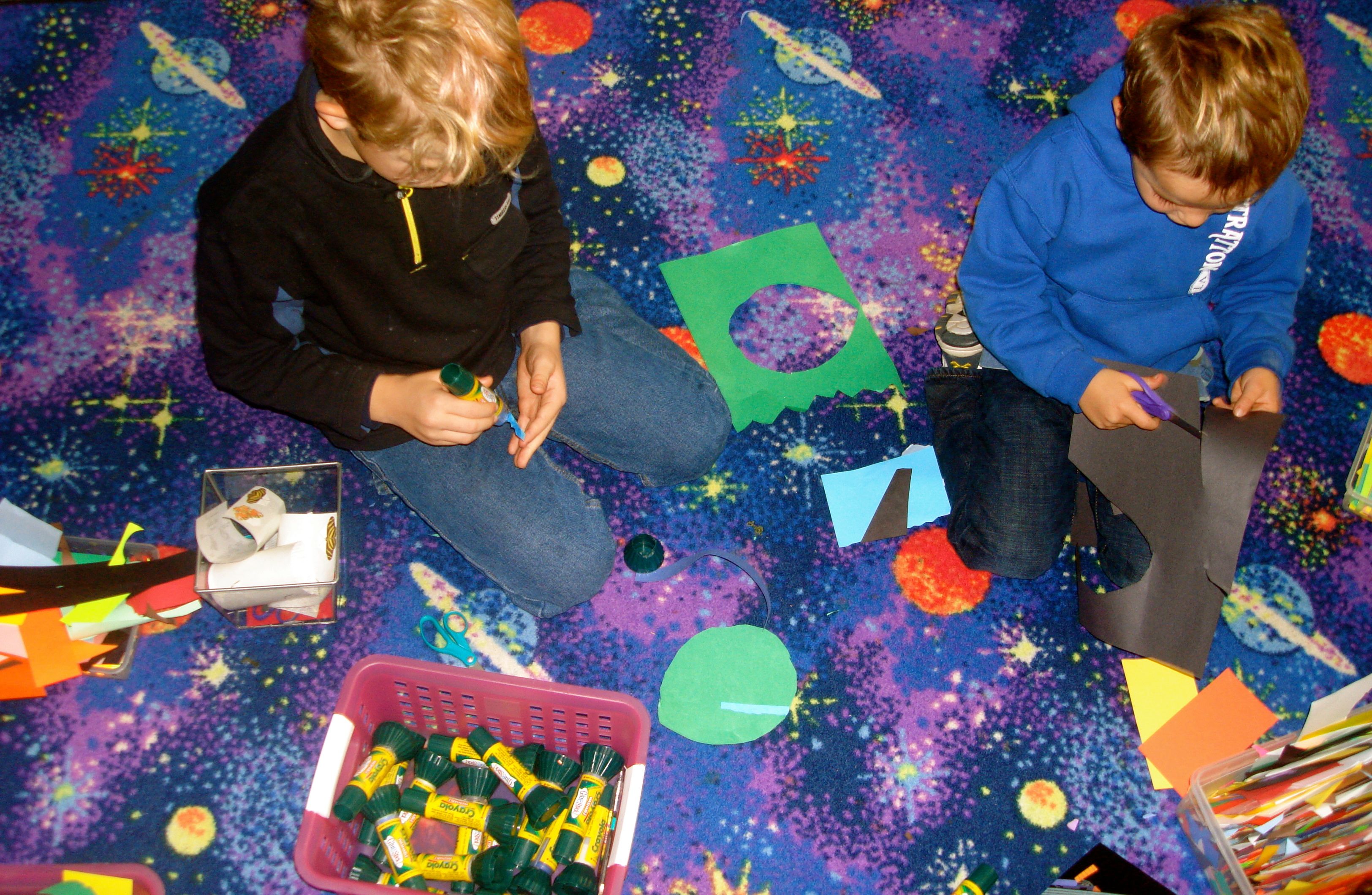
Our Destination Imagination teams are busy building, creating and constructing all types of props for their team Challenges which will be presented, in dramatic form, mid-March.  In total, no team can spend more than $125 so our team members are making all their sets and props from scratch, found objects and recycled trash.This team has finally engineered a device which will transport their teammates across the continents.  Later they will add many features and decorations but for now…all that must remain top secret.

Meanwhile, the elementary level children are hard at work creating their very own…Luminaries!.  Their Challenge play must be performed in the dark…and explain the present and future applications of solar energy.

It is now evening, pitch dark and shivery cold,  But the upper level team continues with….

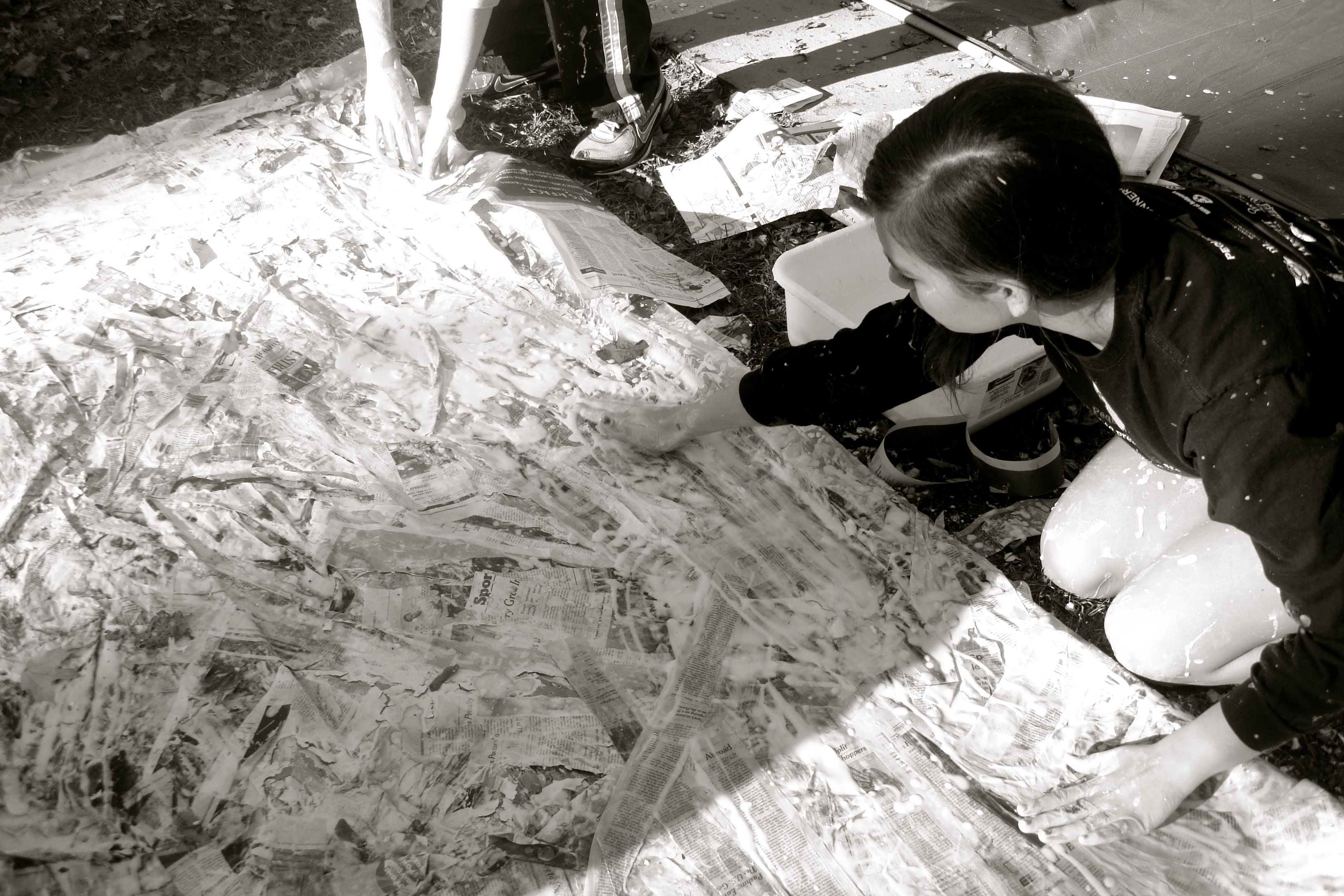
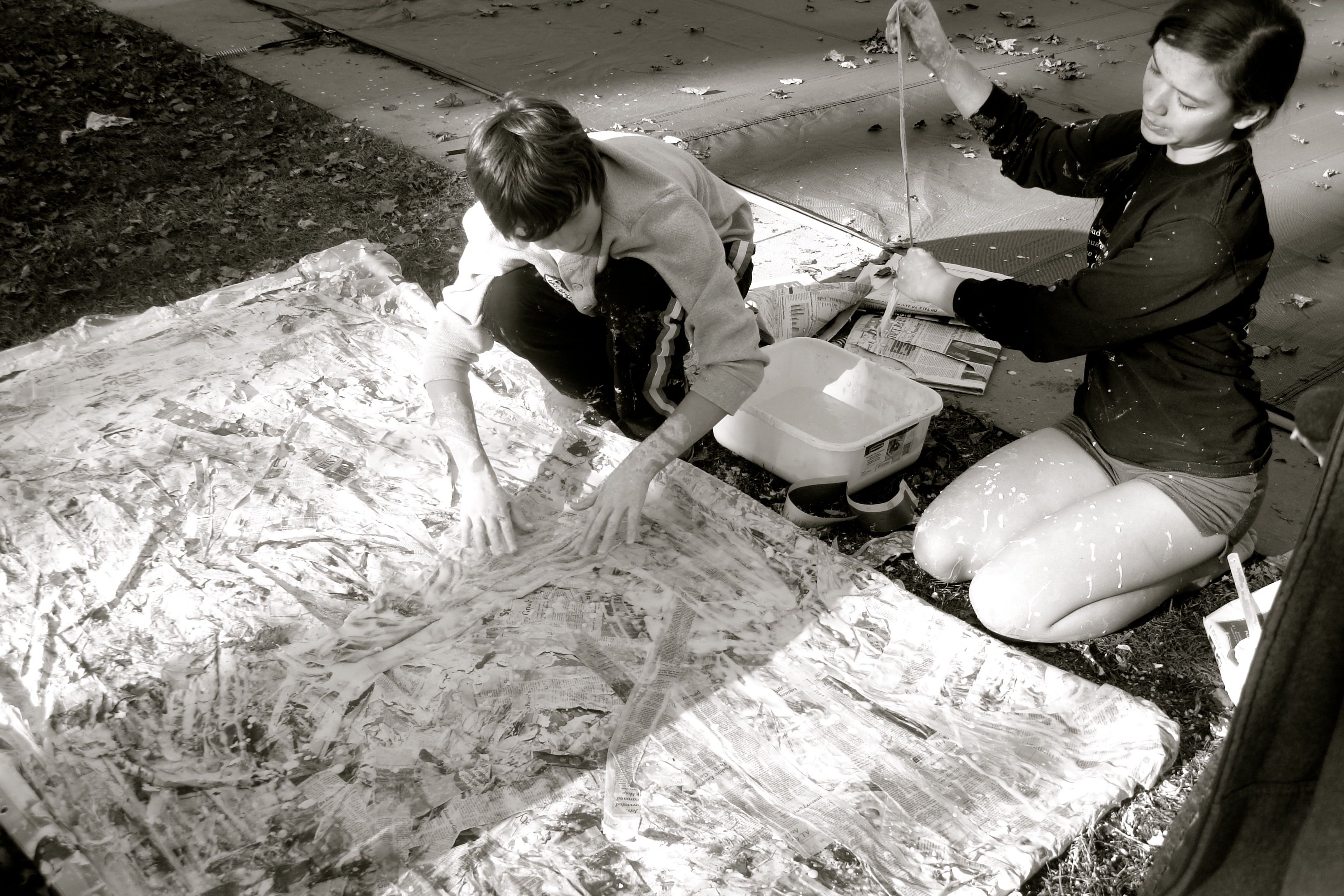
Giant paper mache backdrops which they can use as frescoes for their paintings….

Destination Imagination:  It’s a way of life!

Let Me Count the Ways:  Homeschooling is always having a bigger happymess in your house, just after everything has been cleaned.

Exploring Pop Art

“They always say that time changes things, but actually you have to change them yourself.”  Andy Warhol

We have had a fascinating week exploring Pop Art and experimenting with different painting techniques.

Bounce and Scooter were entranced with Warhol’s colorful rendering of common objects.

Bounce abstract with hands

They loved the repetition and cartoon-like simplicity of Warhol’s silkscreen paintings.

We also read some simple biographies of Warhol’s life.  Bounce and Scooter sympathized with his childhood illness.  Quantum was more impressed with Warhol’s “partying” lifestyle and popularity as an adult cult figure.

We concentrated on learning to mix colors and mix media.

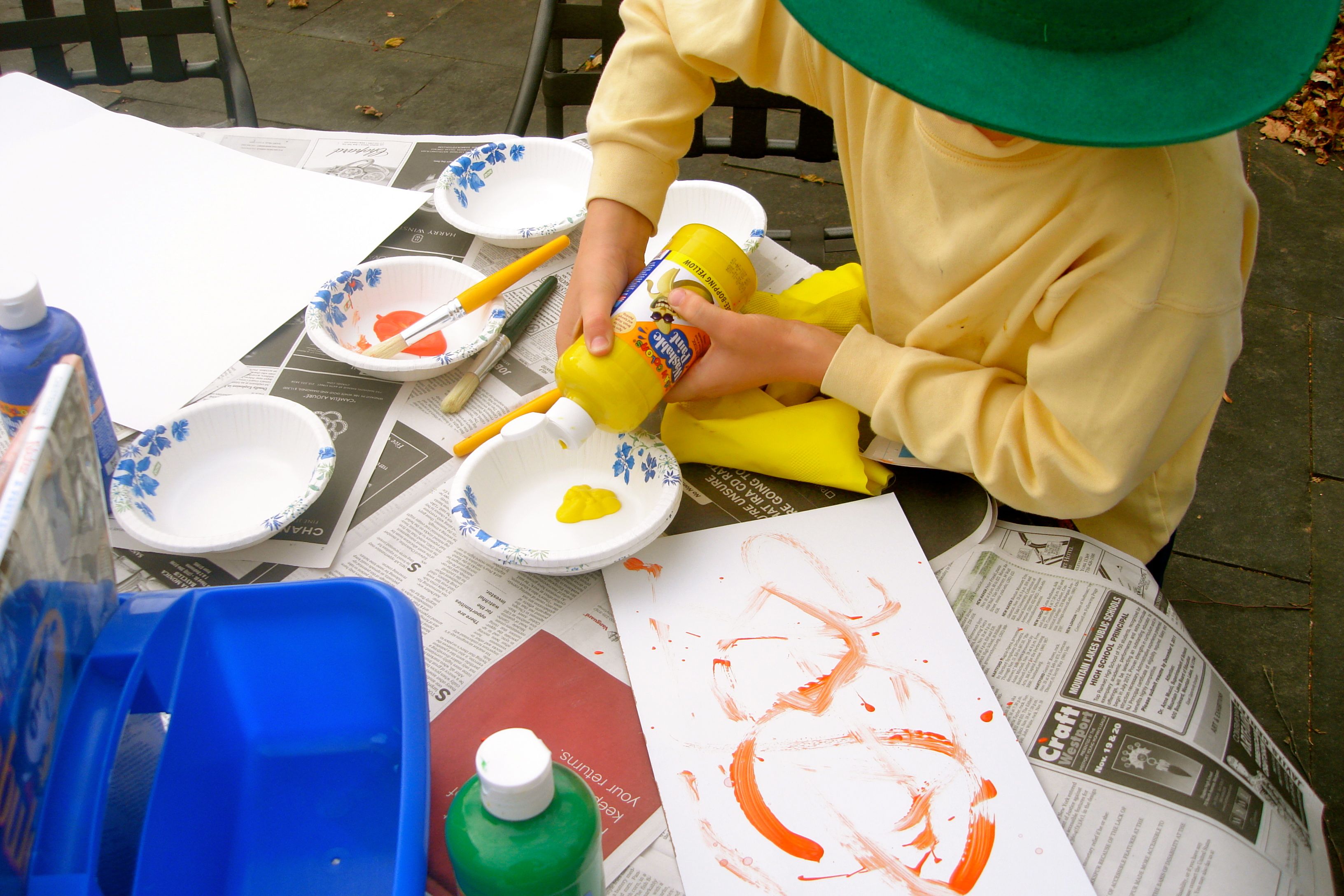
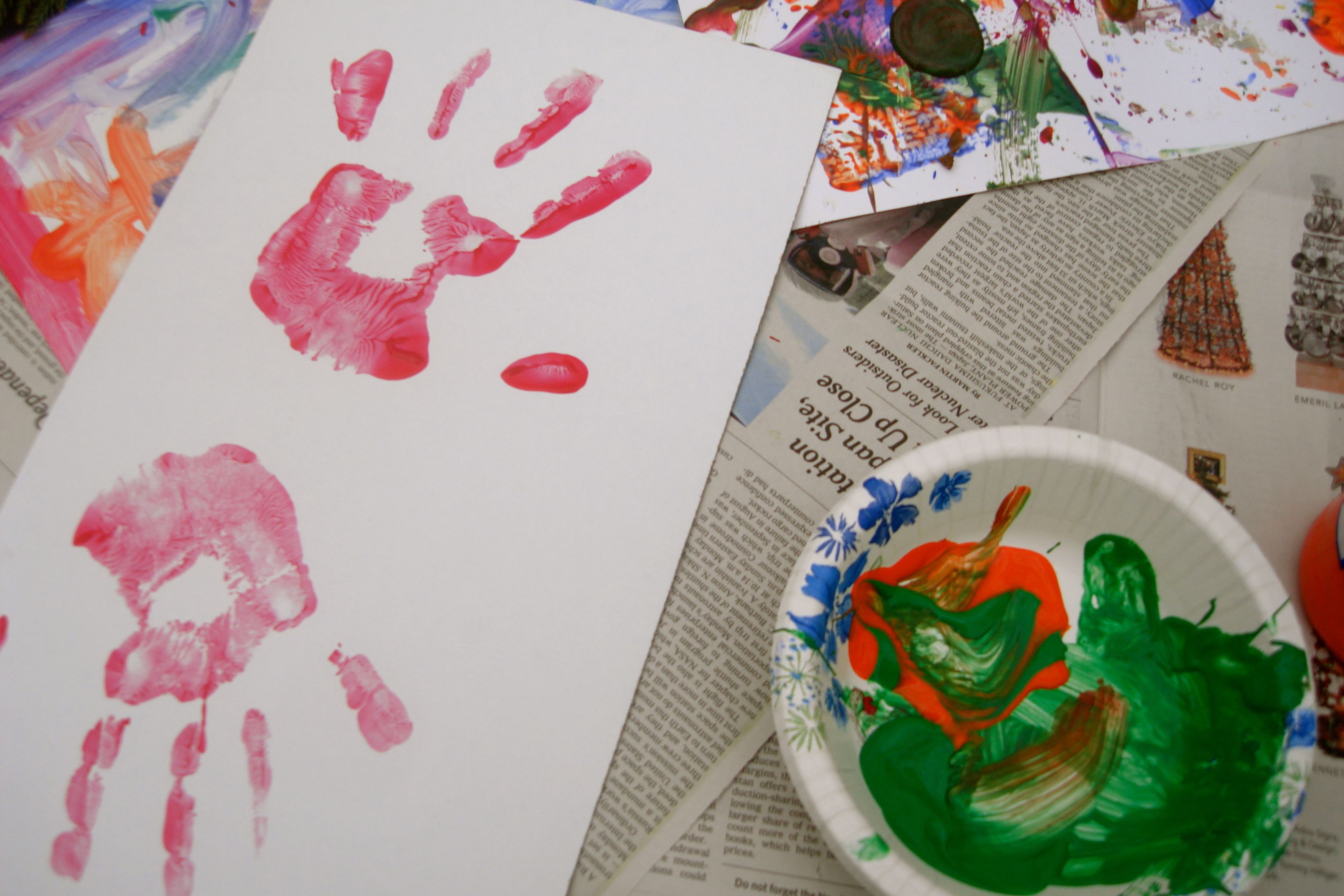
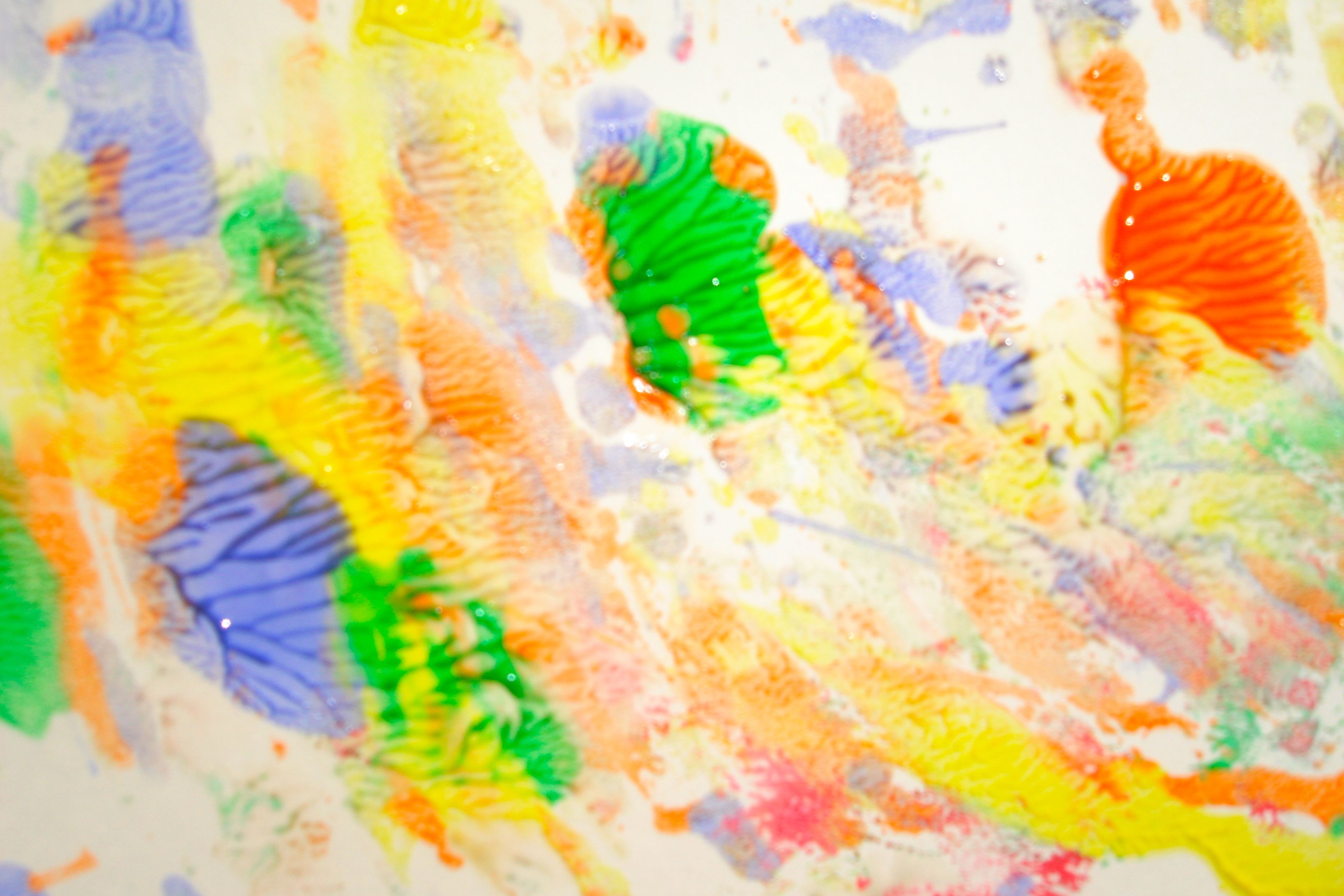
Bounce’s favorite style was the Jackson Pollock splatter paints.  He had a great time splattering paint and adding random leaves and twigs to enhance the texture of his paintings.

Jackson Pollock

Bounce abstract

Jackson Pollock Number 18

Bounce Abstract Number 2

We had fun comparing Pollock’s work with Bounce’s paintings.  We discussed that although it might be easy to imitate the works of famous pop artists, these ideas were once considered original.

Roy Lichtenstein Drowning Girl

Warhol, Pollock, Lichtenstein and others were among the first to create “art” with modern commercial techniques and images.

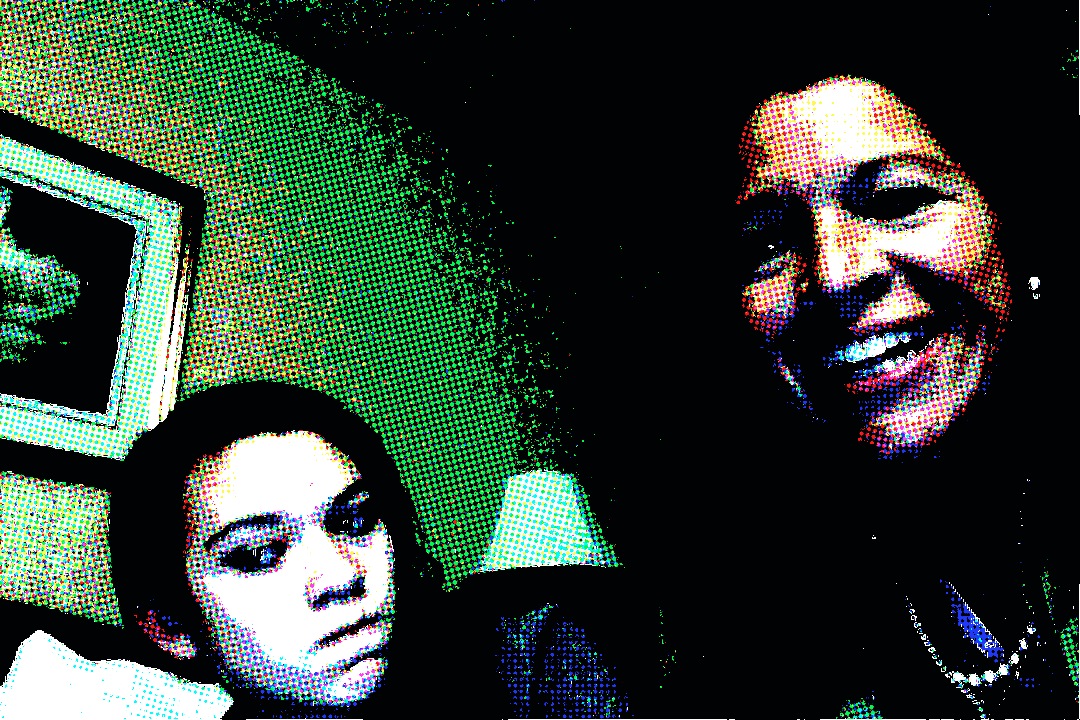
Athena: Girl and Mother

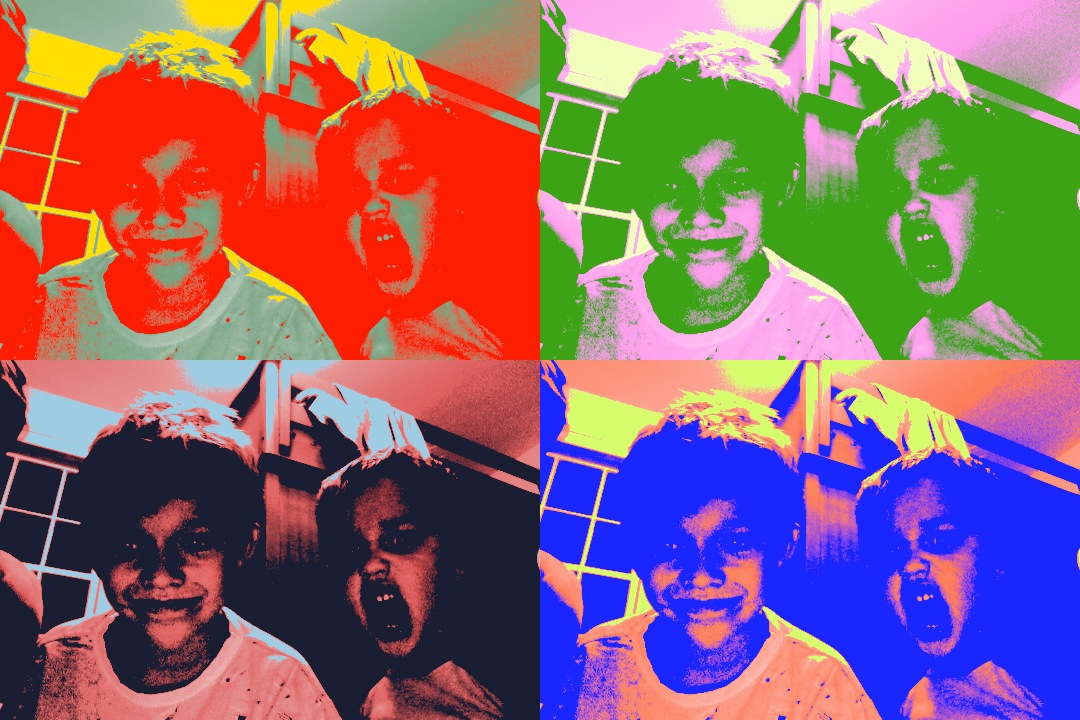
Athena loved creating pop art images of her family and friends.  She loves the irreverence of these images and the way an ordinary photograph can tell a story that is different from the original.

And isn’t that what art is really about?

All artists, in every media, strive to take a moment of reality and transform it into a story that highlights a unique world vision.  Art is an attempt to redraw the everyday so that important details are highlighted and specific ideas are communicated.

Let Me Count the Days:  Homeschooling is teaching our children to tell their own stories through art, creative writing and drama.

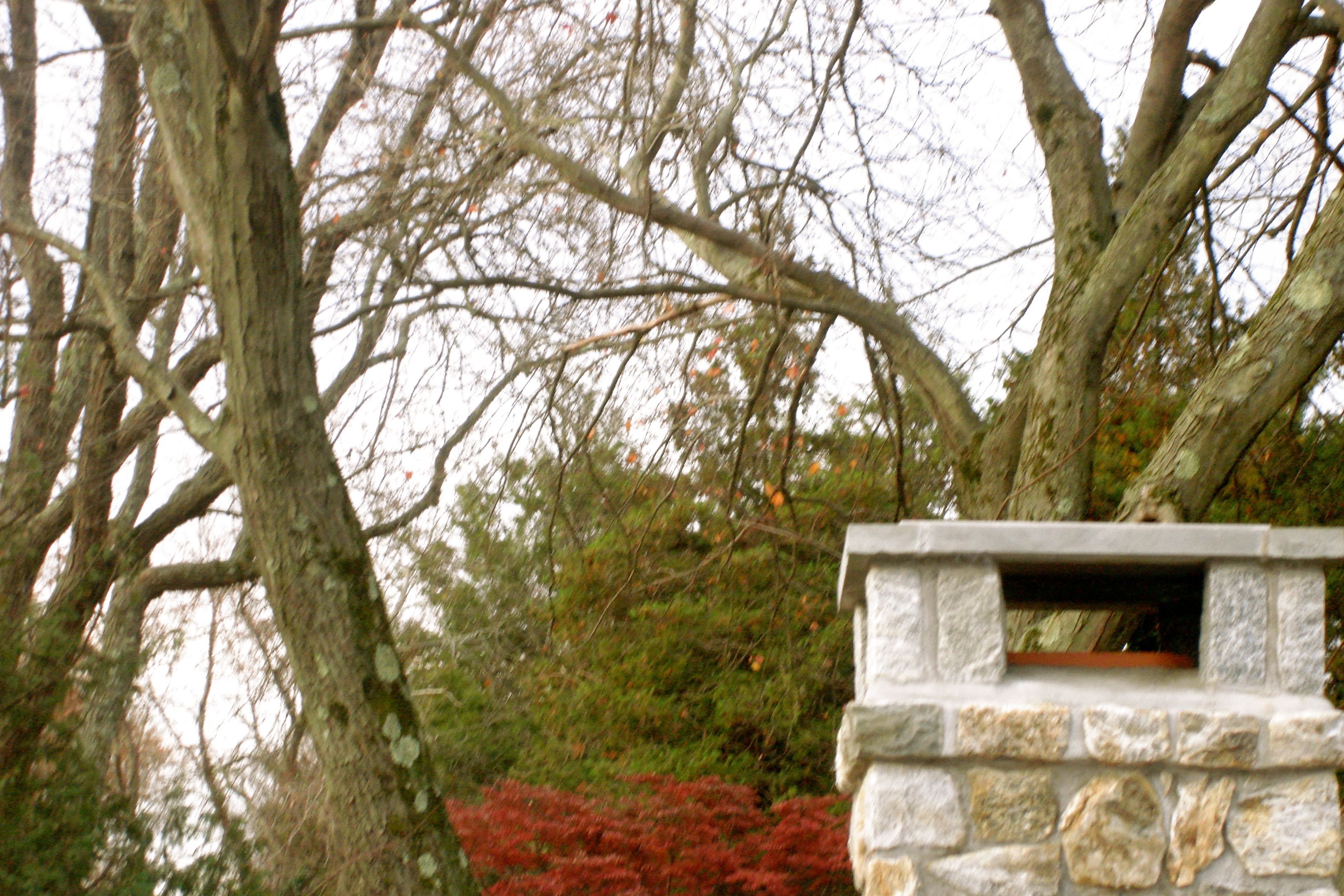
Wordless Wednesdsay: Leaves of Fall, Inspired by Walt Whitman

“Happiness, not in another place but this place…not for another hour, but this hour.”
Walt Whitman

“Do anything, but let it produce joy.”― Walt Whitman, Leaves of Grass

“Not I, nor anyone else can travel that road for you.
You must travel it by yourself.
It is not far. It is within reach.
Perhaps you have been on it since you were born, and did not know.
Perhaps it is everywhere – on water and land.”
Walt Whitman, Leaves of Grass

“In the faces of men and women, I see God.”

“Be curious, not judgmental.”
Walt Whitman
Let Me Count the Days: Homeschooling is finding joy in the everyday beauty of life.

Washington Whirlwind

This weekend was a perfect whirling dervish of art, history, science and Happymess thrills and chills.  We had our highs and lows, and now as the new week begins, we can’t quite believe it happened in just 48 hours.

Hirshhorn Waterfall, Washington DC (Allia)

Happymess kids begin their Washington, DC adventures.

 Hirshhorn Museum in Washington, DC. 

This is the first time that all 102 of Andy Warhol’s Shadow paintings are being presented together.  They make an impressive array along the curve of the gallery, with various shapes and colors playing off one another.
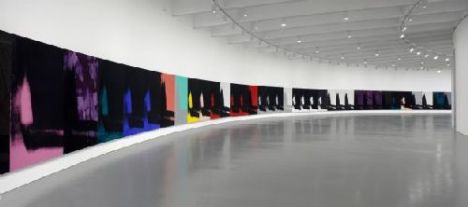
Andy Warhol Shadows Exhibit

Initially, Happymess kids were slightly surprised by the modern art offerings.

“Where are the emperor’s new clothes?”

Athena, formerly Creatress, “It’s really great seeing all these paintings together.  If you just saw one or two you would assume he (Warhol) really didn’t put anything into it, but when you see so many (of the same image in different colors) you realize that he really did work hard after all.”

Allia thinks, Hmm.  If one image doesn’t impress, why then are 102 more effective? Or, mathematically speaking, what is 102 times zero?

Bounce, “The great thing about art is you really can’t do anything wrong.  You just make it (art) whatever way you want.”

Allia, “Yes, that is exactly right.  Art is whatever you want it to be.”

Scooter, shouting indignantly from his stroller, “These paintings aren’t art.  They’re just scribbles!”

Out of the mouths of babes….

In fact, we had a great time at the Hirshhorn galleries and enjoyed many of the extremely colorful and playful ways the artists expressed themselves.  We took numerous photographs and had many novel ideas for art projects of our own, including set design ideas for some upcoming Happymess theater competitions.

Modern art offers terrific freedom of thought and expression.  The older Happymess kids felt empowered by the boldness of thought.  The younger Happymess kids were relieved to see that perfection is not a requirement for artistic creation.

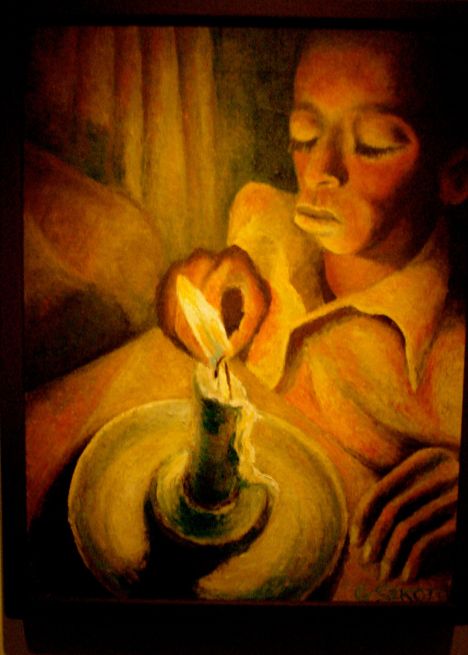
National Museum of African Art
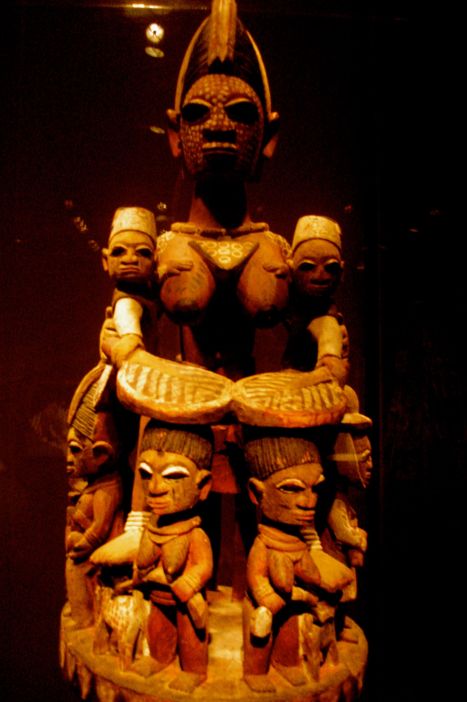
Our next stop was the Museum of African Art.  Here we were truly inspired by the variety and depth of expression throughout the exhibits.  Athena is currently writing a script that takes place in Africa.  She perused every detail looking for set and costume design ideas and studied videos of African dances.
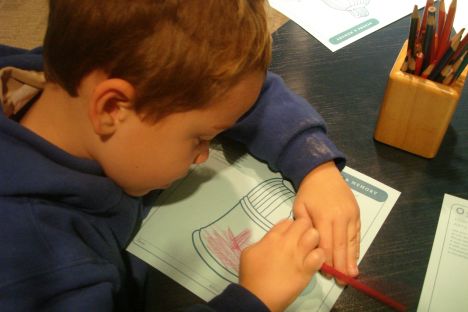
Bounce and Scooter were thrilled with the hands-on activities.  Scooter is coloring African masks and headdresses.  Later this winter we will be creating these same masks and headdresses out of paper-mache.

Bounce was intrigued by an illuminated kaleidoscope.  He is working on a science project involving solar energy and lighting with his Destination Imagination team.

The Museum of Air and Space
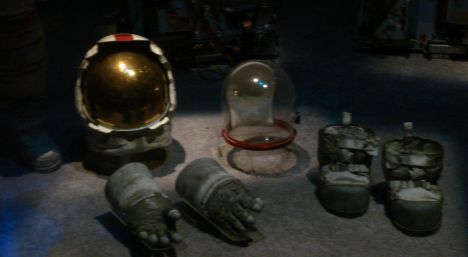
These exhibits really focus on man’s determination to conquer air and space travel.

Again, Bounce and Scooter preferred creating their own aerodynamic space ships and airplanes.
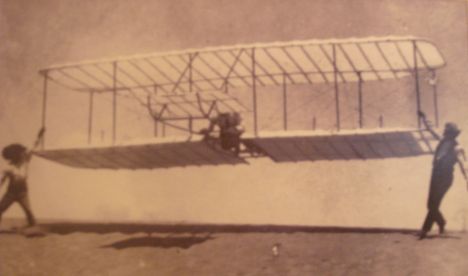
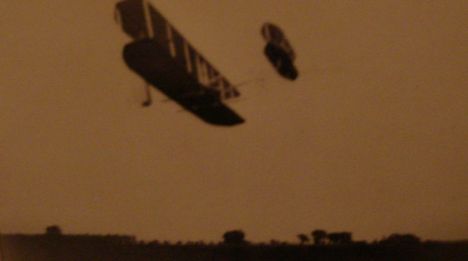
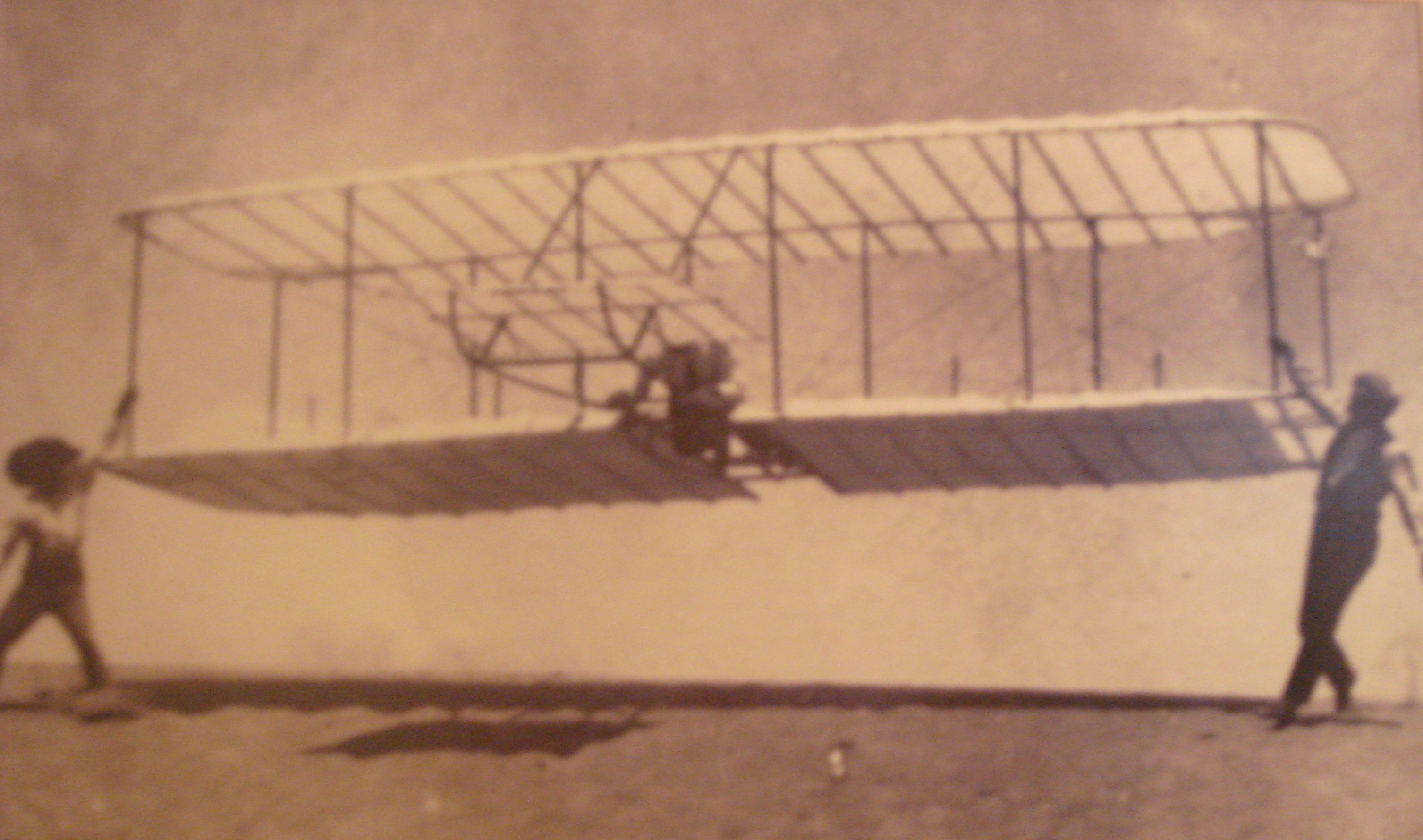
Athena was busy studying the Wright brothers and their first attempts at flight.

She will use this information for her National History Day competition entry.

Misadventures

It was a long and exhausting day, as you can imagine.  We were delighted to finally return to our hotel so that we could relax and plan our evening activities.  Being a Happymess family, we should have known better.

Just as we were getting ready for dinner, Scooter became very ill and we had to rush him to the hospital.  I will not bore you with the long evening I spent in the emergency room.

By the next day he was feeling much better and we had the opportunity to play Chutes and Ladders together (for hours).

Ancient Indian game of Snakes and Ladders

This game is based on the ancient Indian game of Snakes and Ladders.  The intention was to teach morals and manners while entertaining tiny tots.

The beauty of this simple game is that it encourages young children to play fairly.  The desire to cheat seems to be irresistible.  Scooter tried every which way to put himself on a ladder while sending me down the chute.  We may need to introduce this game into our regular Happymess curriculum.

Johns Hopkins Study of Exceptional Talent

Meanwhile, while Scooter and I were whiling away our time at Georgetown University Hospital, the Happymess crew had move on to new adventures.

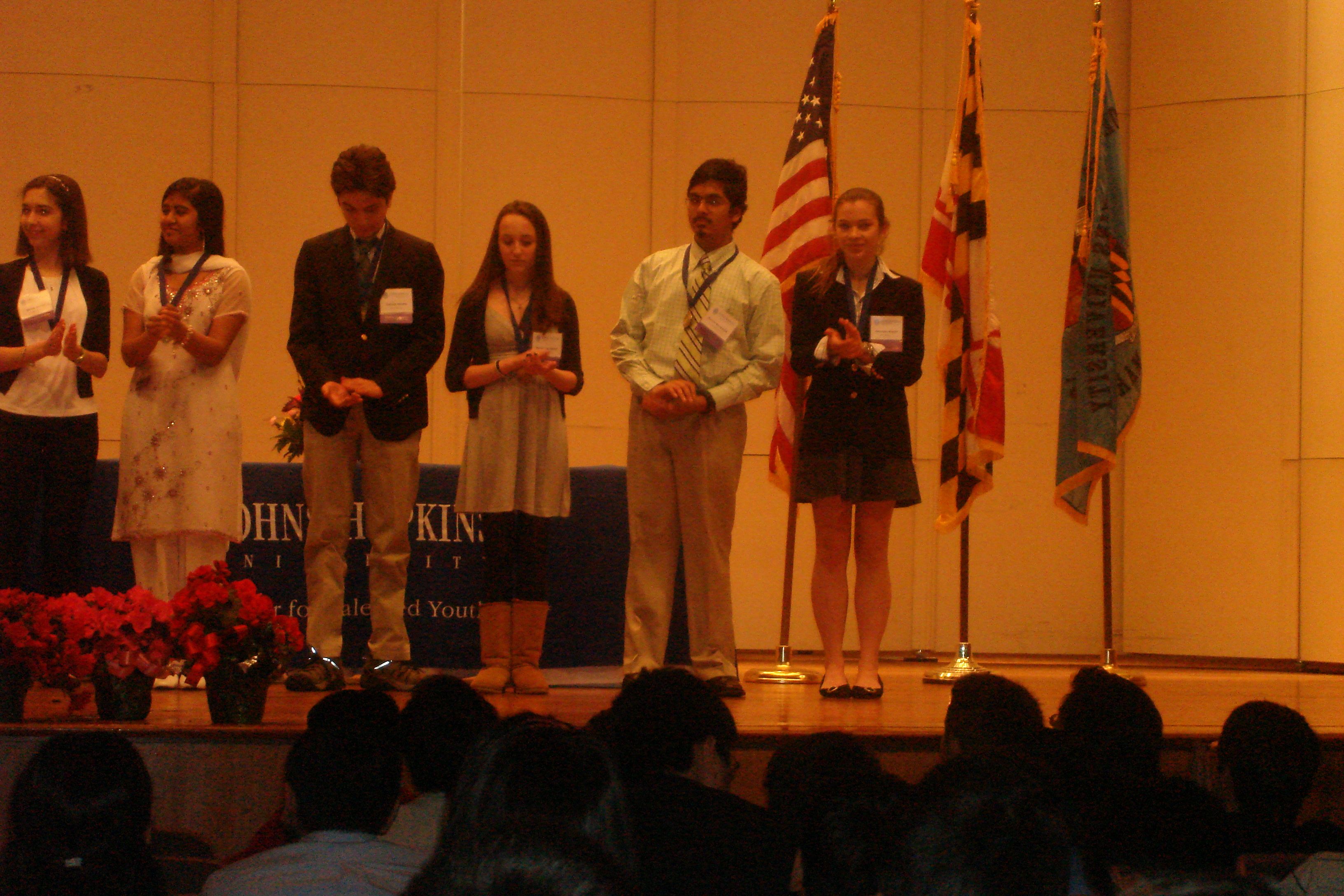
Athena received an award at the Grand Ceremony of SET at Johns Hopkins University for her outstanding SAT scores, taken at age 14.  She received First in Country and First Internationally (tied with many other children from around the world).  We are very proud of her accomplishments.

Boy Scout Wilderness Survival

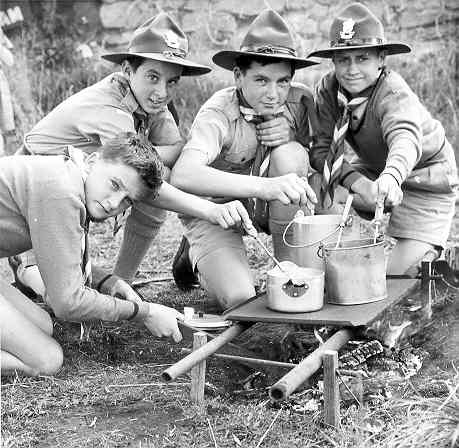
During this very same weekend, Quantum and Truth were learning camping and orienteering skills in the hills of Massachusetts.

Washington Whirlwind (Allia)

Let Me Count the Days:  Homeschooling is experiencing art, history, science, camping, an international award and the local hospital in one 48-hour period!

The Illuminated Manuscript: Using Art and History to Teach Cursive

The study of cursive writing is not merely relegated to the tedium of copying specific letters.  It is the ability to create beautiful manuscripts and illustrations in which words are as important as images.

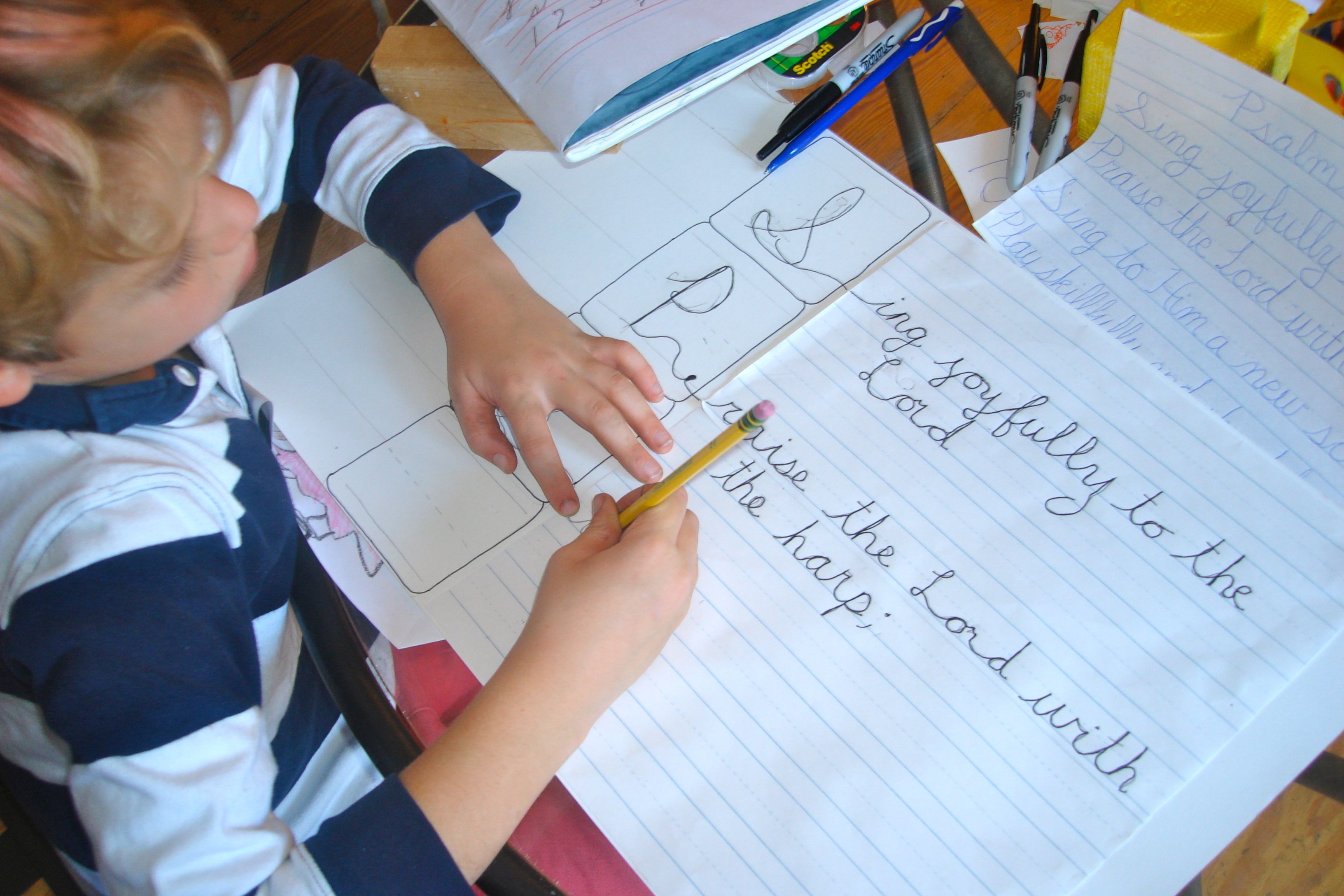
As with all our subjects, we began with the technique and then quickly segued into the role of cursive writing in history, art and religion.  Bounce started his cursive career with our Zaner-Bloser Handwriting Book 2C.  He copied the entire manuscript and cursive alphabets, both upper and lower case.  He then had the opportunity to write and read a few simple sentences.  He worked carefully and was off to a fine start.

He concentrated. Some words were more legible than others, but all words unarguably wiggled across the page in a confident and loopy cursive.

Eager to inspire Bounce with the beauty of writing, we began our study of cursive by looking at the root word, script, whose origin lies in the word scribe.  A scribe is quite simply, one who writes.  Before the advent of the printing press, and now publishing and the internet, there were scribes who perfected the art of copying.  Writing was a true art, one which demanded both accuracy and beauty.

http://www.aucklandcity.govt.nz/dbtw-wpd/virt- exhib/realgold/Images/rossdhu.jpg

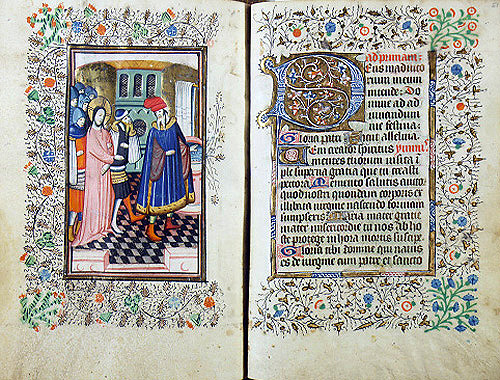
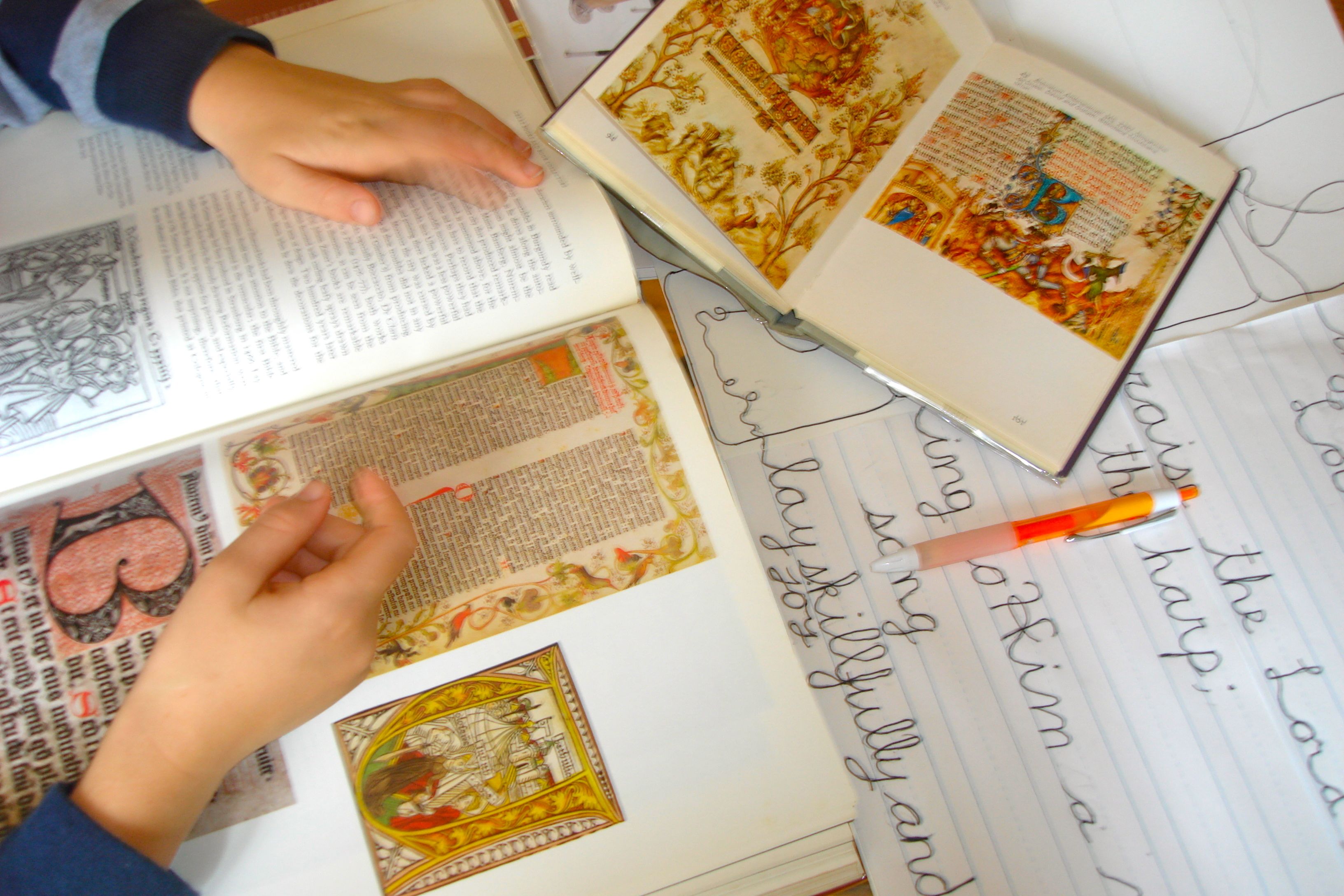
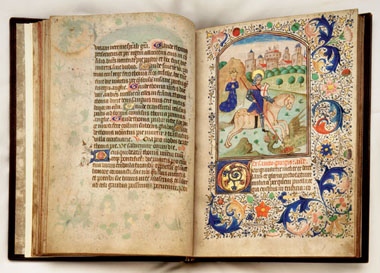
Nowhere is beautiful writing more evident than in the illuminated manuscripts and Book of Hours of the Middle Ages.

We studied these manuscripts and noticed several things.  Bounce recognized immediately that the first letter of each page was enlarged and elaborately decorated.  We also noticed that the colors were bright and beautiful.  The designs were primarily geometric or inspired by nature emphasizing elaborate curves and swirls.

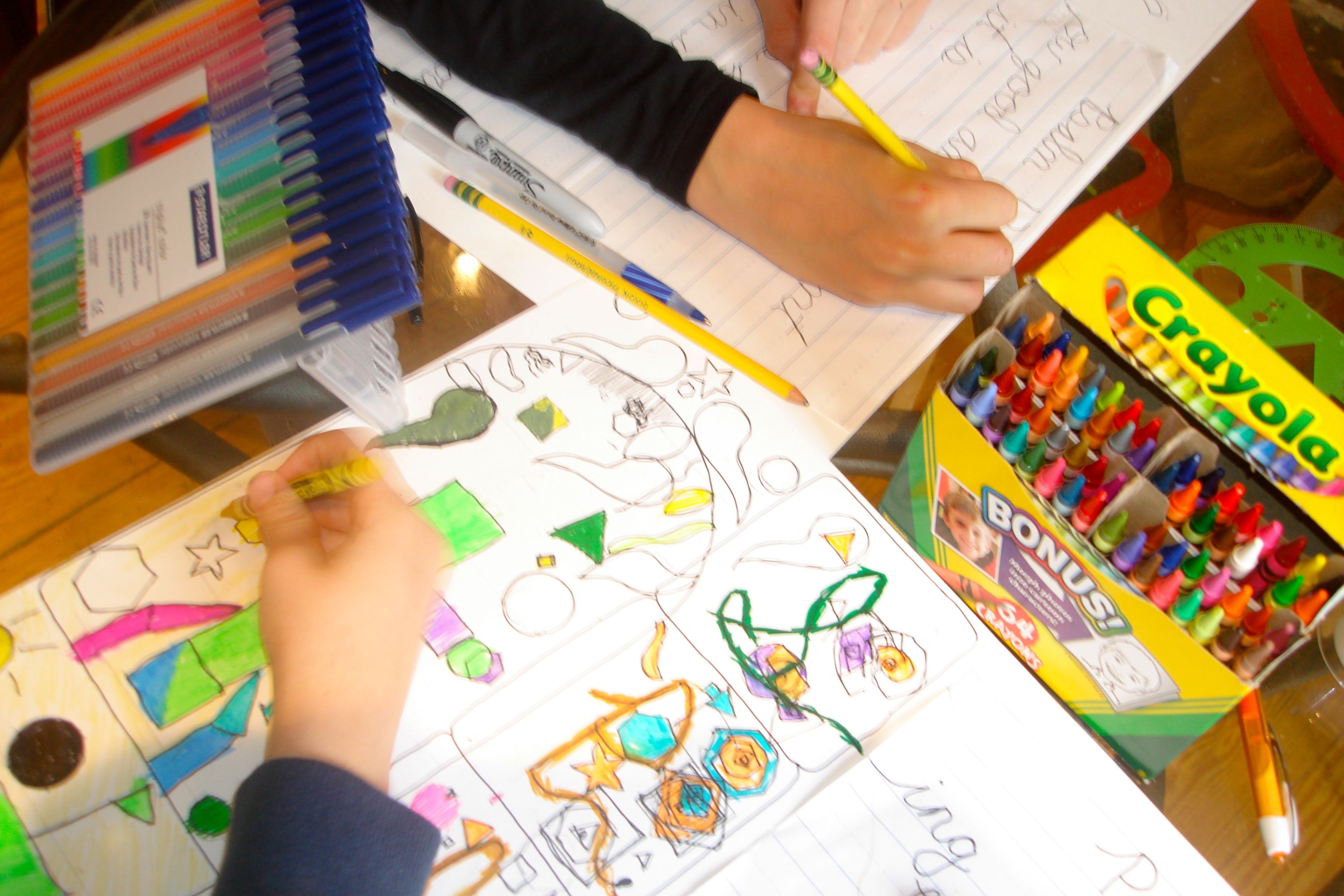
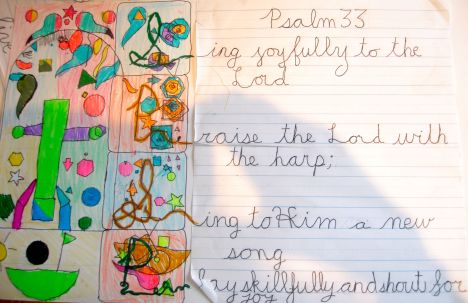
Our Happymess art, history and cursive project is to create our own illuminated manuscript page.  Bounce was excited about this project because he loves drawing and creating beautiful pictures.

Handwriting Without Tears?  We had no tears at all with this project.  Bounce was motivated to write in cursive because he wanted to create his own Book of Hours.  We chose a simple short verse, Psalm 33.  We chose a psalm because we wanted to be historically accurate.  The Book of Hours was a personal book of prayer.  I abbreviated the psalm so it was short enough for Bounce to copy, and emphasized points he could easily understand:  singing, praising and playing.

Psalm 33

Sing joyfully to the Lord

Praise the Lord with the harp;

Sing to Him a new song;

Play skillfully, and shout for joy

Bounce created a “page” which highlighted the first letter of each line so that he could also “illuminate”.

In between each line of scripture (there’s that word root again), Bounce hopped on his bike and rode around the yard.  This gave him plenty of exercise while he was learning the art of cursive.

Truth liked the look of the project and decided to make a page of his own.  For Truth’s page we abbreviated Psalm 133 and chose lines that would have meaning for Truth.

Psalm 133

How good and Pleasant it is

When brothers live together in unity!

For there the Lord bestows his blessing,

Even life forevermore.

Truth decorated his page with an elaborate picture of brothers camping in the wilderness.  He and Quantum will be camping together this weekend, so that seemed appropriate.

Truth also read aloud several sections from our book on the history of the illuminated manuscript.  We found that the majority of illuminated manuscripts were written between 1200 and 1450 (advent of the printing press).  They were primarily created in the scriptoria of a monastery.  Most illuminated manuscripts were Bibles or personal prayer books, such as The Book Hours.

Vocabulary for this lesson:  Scriptoria, containing the word script, derived from the word scribe.  A scriptoria (similar to cafeteria) is the place within a monastery where the writing takes place.

Cursive, derived from Medieval Latin: cursivus, literally “running”,

Geometric, designs using mathematical shapes

Symmetry and symmetrical, designs with equally appearing elements presented in a balanced design.

Let Me Count the Days:  Homeschooling is teaching cursive as an art form, not a workbook exercise.

Wordless Wednesday: Grin and Bear It?

Let Me Count the Days:  Homeschooling is loving your teenage daughter.

Poetry and Leaf Painting: We Too Can Make Beautiful Colors

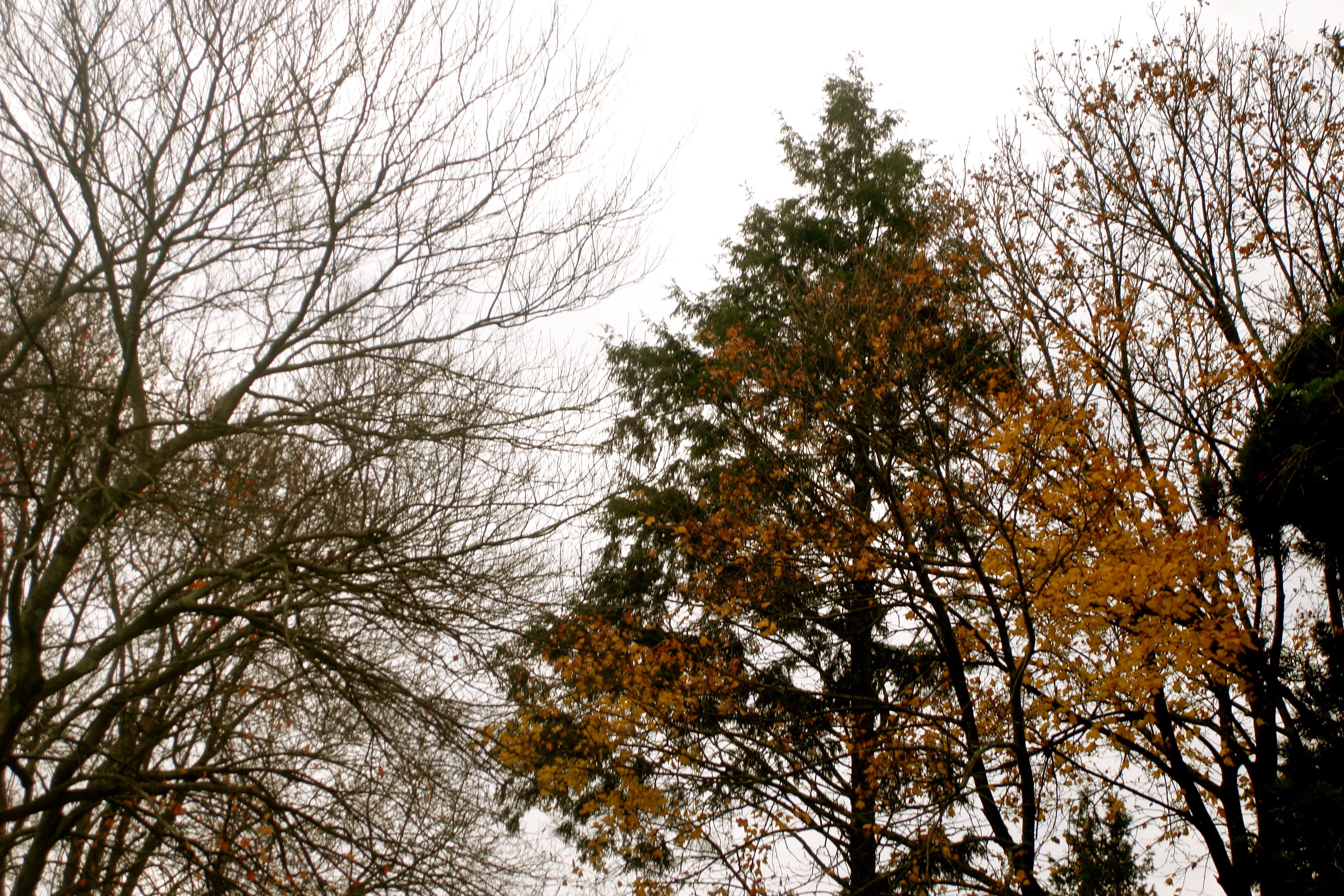
With the striking fall leaves surrounding us, and the warm Indian summer sunshine toasting the autumn season, today seems like the perfect day for leaf painting.

We started by gathering the last of the hardy green leaves that are still stubbornly clinging to bushes and vines.  The larger leaves, with a sturdy vein structure, work the best.

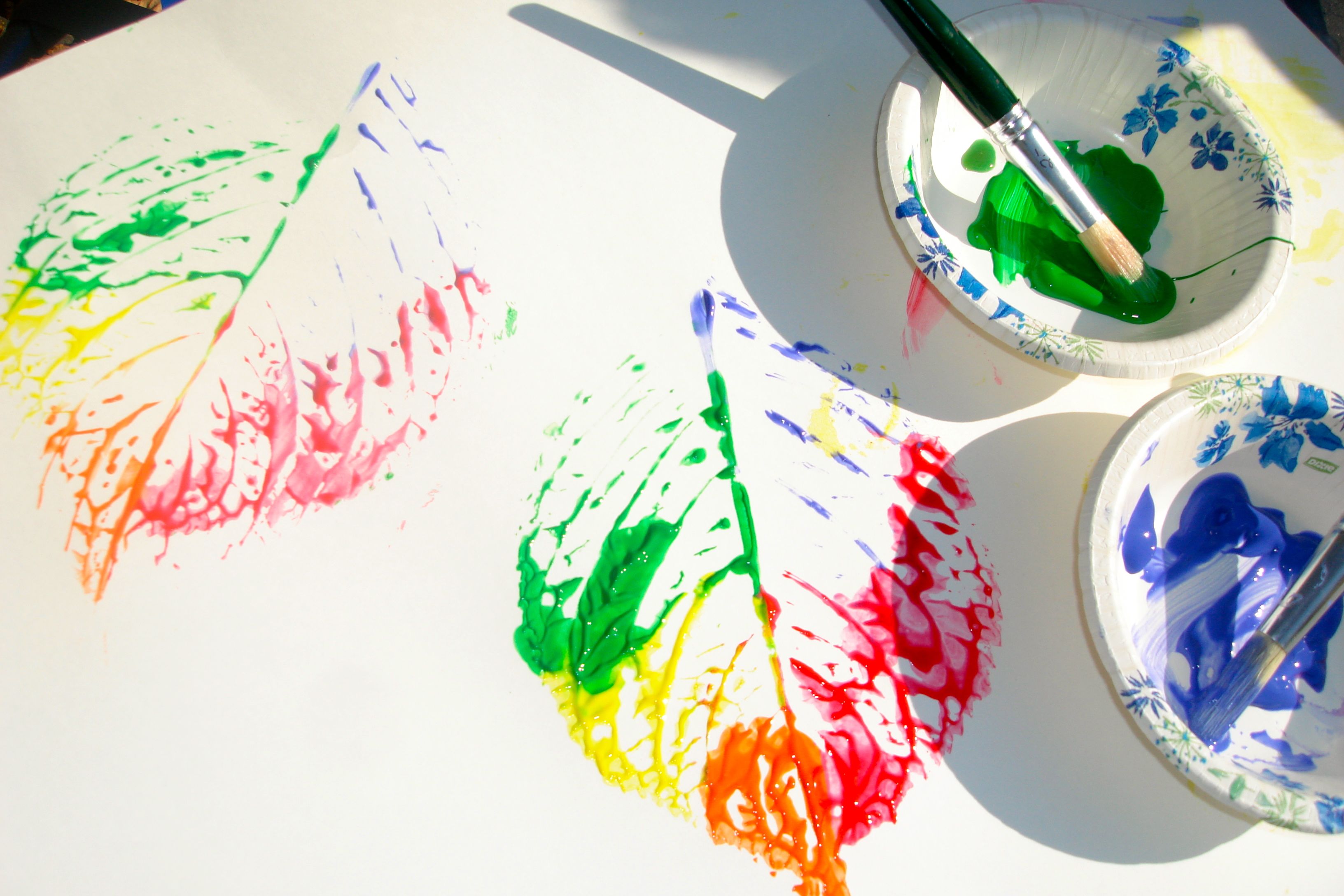
Next we coated each leaf, on the vein side, with different colors of tempura (washable) paints.

Bounce and Scooter used their painted leaves to create block prints on paper.  They really enjoyed making rainbow leaves.

Rainbow is Bounce’s favorite color.

Leaf abstract

Poetry seems like a natural extension of leaf painting.  We read many poems about fall.  This one is our favorite.

Autumn Fires by Robert Louis Stevenson, A Child’s Garden of Verses, 1885

In the other gardens
  And all up the vale,
From the autumn bonfires
See the smoke trail!
Pleasant summer over
And all the summer flowers,
The red fire blazes,
The gray smoke towers.

Sing a song of seasons!
Something bright in all!
Flowers in the summer,
Fires in the fall!

Author of Bounce's Book of Poetry (Allia)

Bounce wrote numerous “leaf” poems.  He also wrote, “Bounce’s Books of Poetry”

Here is Bounce’s favorite from his personal collection.

Fall Leaves

 Leaves, Leaves, Leaves

 Sprinkle colors as they fall

 Reds and yellows, blues and greens

 Building piles for us all


 Jump, Jump, Jump

 Leaves crackle in the breeze

 Nipping at your nose

 As your toes begin to freeze

Let Me Count the Days:  Homeschooling is welcoming the new season with Art and Poetry.