

We have found that a simple poem, quote or Bible verse can provide hours of education across several disciplines. The cost? Absolutely nothing.

The Water Harp (Allia)
I like the following poem as it has an educationally relevant message
There is no frigate like a book
To take us lands away,
Nor any coursers like a page
Of prancing poetry.
This traverse may the poorest take
Without oppress of toll; How frugal is the chariot
That bears a human soul!
By Emily Dickenson
We begin our lesson with handwriting. The students copy this poem using their best possible handwriting. We do this with a pencil so that individual letters and words can be reworked without ruining the whole.
Notice that each line of poetry begins with a capital letter. Be sure your writers copy the correct punctuation. Poetry often uses commas to indicate a continuity of thought, despite a line break.
Next we study vocabulary. Be sure your reader knows the meaning of each word:
Frigate, nor, coursers, prancing, traverse, oppress, toll, frugal, chariot, bears
Have your students copy each word and its dictionary definition. Be sure they know the spelling of each word and use it in a sentence of their own.
Example:
Frigate: a fast navel vessel of the late 18th and early 19th centuries, generally having a lofty ship rig and heavily armed on one or two decks.
The pirates were no match for the heavy armament of the frigate and were forced to find smaller prey.
Now try reading the poem aloud. Listen carefully to the way rhythm is used.
Once every word has been defined we can go back and examine the poem. What does it mean? This is great for class discussion. We talk about the actual meaning, the implied meaning and how this poem makes us feel and think about our own relationship with books.
Now we can study poetry and language.
Wikipedia, not always my favorite source, has an excellent discussion on the history and development of poetry and poetic language
http://en.wikipedia.org/wiki/Poetry
For convenience, I am including a segment here:
Poetry is primarily governed by idiosyncratic forms and conventions to suggest differential interpretation to words, or to evoke emotive responses. Devices such as assonance, alliteration, onomatopoeia, and rhythm are sometimes used to achieve musical or incantatory effects. The use of ambiguity, symbolism, irony, and other stylistic elements of poetic diction often leaves a poem open to multiple interpretations. Similarly, metaphor, simile, and metonymy[5] create a resonance between otherwise disparate images—a layering of meanings, forming connections previously not perceived. Kindred forms of resonance may exist, between individual verses, in their patterns of rhyme or rhythm.
This is an excellent time to teach the meaning of various literary terms. You may choose to study one term a day. Learn the definition of alliteration, find examples of it in poetry, then experiment with creating your own sentences using alliteration. Understanding and using some of the above literary devices will greatly enhance both the students’ comprehension of literature as well as improve their writing technique.
For the purpose of this lesson we will concentrate on the following two literary terms: metaphor and simile. Have your student define each term and then find each example of a metaphor and a simile within the poem. Have them write one example of each on their own.
Discuss: How has the use of metaphors and similes enhanced our understanding of Dickenson’s message?
Each piece of literature should be understood within its historical context. So now it is time for a brief history lesson. So we ask, who is Emily Dickenson and when did she live? What forces influenced her thinking, writing style and perspective?
This link will bring you to an excellent, and exceedingly thorough discussion published in The Cambridge History of English and American Literature in 18 Volumes (1907–21).
http://www.bartleby.com/227/0302.html
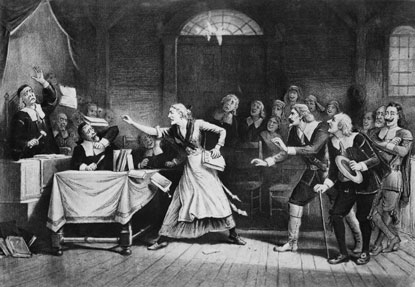
Emily Dickenson was born in 1830, lived in New England and was surrounded by the Puritan faith. How did this world vision influence her poetic works? Did she follow her faith or was she a rebel within her society? You may want to have a short history lesson on Puritanism and early American values.
It is now time for our writing lesson. We will begin with the essay. An essay is a short (depending on the age of your student) formal piece of writing that addresses a specific topic. We suggest 3-5 paragraphs. Have your student pick a topic relevant to today’s discussion. This is a good time to introduce the idea of beginning with a topic sentence and an outline. Be sure the student includes: title, introduction, middle, and conclusion. The essay can be further enhanced through the inclusion of specific examples, or quotes from sources. Now you can explain how to footnote, or give credit for cited works. Recopying the essay is an excellent opportunity to practice both rewriting and handwriting.
An alternative writing lesson is to have your students write their own poem. Try to have them use metaphors or similes. You may also ask them to use nature as an inspiration. Again, have them recopy their poem using their best handwriting.
Every homeschool day must include art, and today is no exception. Let your student create an illustration for Emily Dickenson’s poem and one for their own poem. They may want to further decorate their own picture by including their poem (more handwriting) and adding a frame or border.
This final piece may make a beautiful decoration for your schoolroom, or perhaps, your students will have a wonderful gift to share with someone they love.
Another writing exercise can be a journal entry. Have your students write a personal commentary on what this poem means to them. Come back to the poem after several months, or towards the end of the school year, and see if the student finds new meaning in the poem.
We are not quite done yet. You have begun the study of poetry, why not continue with a poetry reading? Reading aloud greatly enhances literary fluency and diction. We love to sit by the fire, sip hot chocolate and surround ourselves with piles of poetry books. Our favorite is a series called Poetry for Young People.
http://www.sterlingpublishing.com/catalog?limit=10§ion_key=21-32&offset=10
These books feature classic poets and each page is beautifully illustrated.
Now that your children are exposed to various poems and poets, have them pick a favorite poem. They should memorize this poem. Once they have memorized it they can practice reciting their poem. This is a great time to teach the basics of public speaking: the importance of knowing your material, speaking clearly, loudly and articulately, remembering to look at your audience, standing straight and remembering to breathe. Now find an audience, and invite some other homeschooling families to participate and you can host a Poetry Party. (Note: great time for your kids to practice their cooking skills.)
Wow! It has been a busy day! It must finally be time to play! See if your students can create metaphors for the world they find outside:
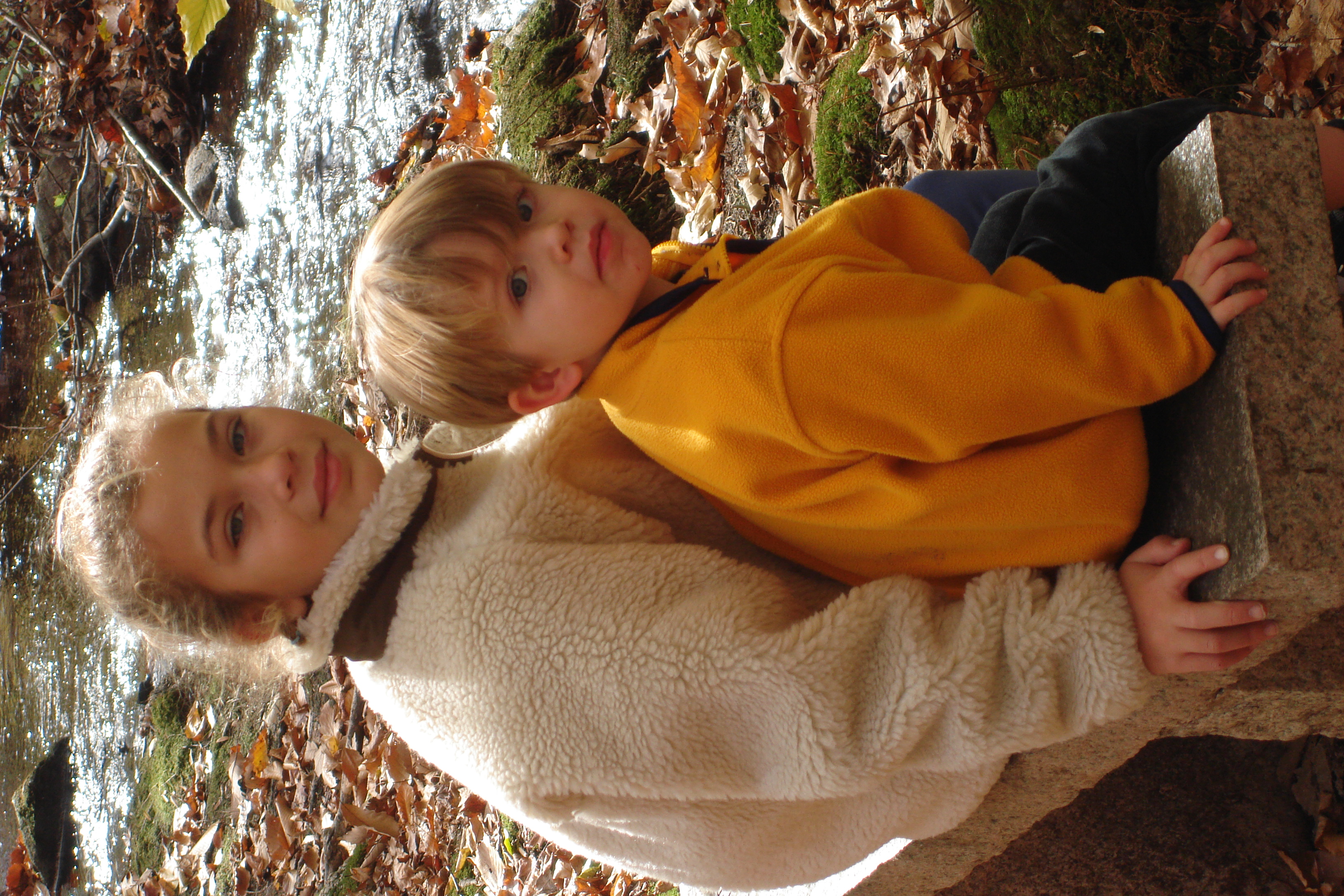
Pumpkin Siblings (Allia)
Example: The crisp, crunchy leaves of autumn sing of pumpkins and sharp skies of fall.
Let Me Count the Days: Homeschooling is finding an entire day’s lesson in 7 lines of poetry.
Filed under: Humanities, Literature, Writing | Tagged: education, Emily Dickenson, homeschool, homeschooling, literature, middle school, poetry, reading, vocabulary lessons, writing | 2 Comments »







 Homeschool Happymess: A Naturally Inspiring Approach to Education

